
When rats keep appearing in a house despite traps, bait and proofing, the drains are the first place we look. Rats in drains are behind a large share of the persistent infestations we deal with in Cardiff, because the sewer network gives them a warm, hidden motorway that runs straight past, and often straight into, your home. A rat in the sewer is the council’s problem. A rat that finds a defect in your drainage and climbs into your wall cavity is very much yours.
This guide explains how to spot the signs, why drain defects let rats in, and what actually fixes the problem permanently. If you already have rats indoors and suspect the drains, our rodent control service in Cardiff includes tracing entry points like these as part of the inspection.
Quick answer: Rats in drains usually enter through broken pipes, displaced joints or badly capped redundant drains, then travel into wall cavities and lofts. A CCTV drain survey finds the defect, repairs close it, and a stainless steel rat blocker stops rats passing. Cardiff Pest Control traces drain entry points across Cardiff.
Signs of rats in your drains
The clearest signs are activity that keeps returning after treatment and evidence in the inspection chamber.
- Scratching or scrabbling sounds in walls, floors or behind the bath panel, often at night, with no obvious entry point found indoors.
- A persistent problem that never quite clears, treatment works for a few weeks, then activity returns, because fresh rats keep arriving from below ground.
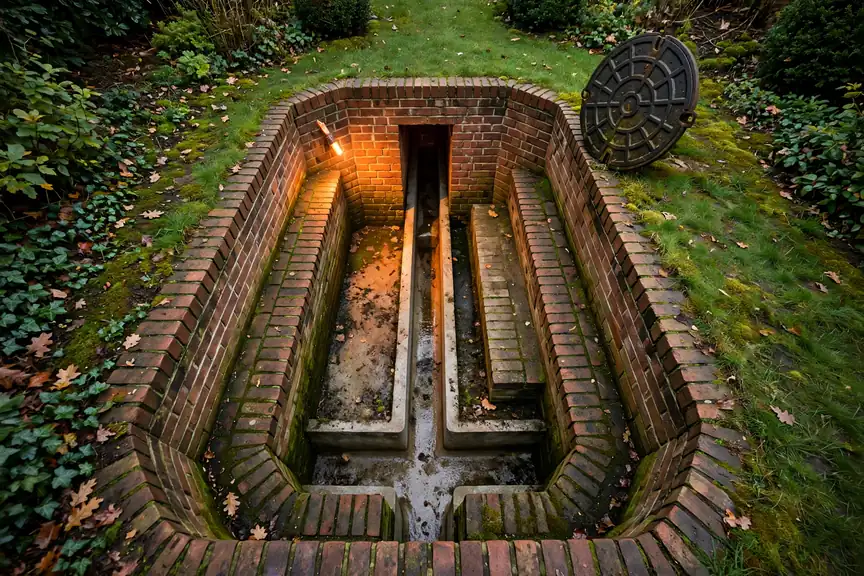
- Droppings in or around the inspection chamber (the manhole, usually in the garden or drive) when the cover is lifted, or on the chamber benching.
- Burrows and subsidence near drain runs, holes appearing in lawns, patios or paths above the line of a drain, where rats have dug out through a broken pipe and soil has washed away.
- Smells, a stale, musky odour near drains or in a room with a soil pipe, which can also mean a rat has died somewhere inaccessible.
- Slow drainage or blockages caused by nesting material and debris in the pipes.
Indoor signs matter too. Our guide to the signs of rats in the house will help you confirm what is going on above ground while you investigate below it.
How rats get into drains, and out of them
Rats live throughout the sewer system. They are strong swimmers, excellent climbers, and they can pass through surprisingly small defects. The usual causes of a drain problem are:
- Broken or cracked pipes, older clay pipes crack, shift and are damaged by tree roots, giving rats a doorway into the surrounding soil and from there into wall cavities and sub-floor voids.
- Displaced joints, where two pipe sections have moved apart, leaving a gap at the joint.
- Redundant drains, when a kitchen or bathroom is moved during an extension or renovation, the old drain branch is sometimes left connected to the sewer but capped badly, or not capped at all. This is one of the most common causes we find in Cardiff’s extended terraced houses: a hidden, open pipe leading directly from the sewer to underneath the property.
- Damaged gullies and rest bends, the fittings where waste pipes meet the drain, and where the vertical soil pipe bends underground, are vulnerable points.
- Unsealed connections, where a soil pipe enters the building, a poor seal lets rats move from the drain into the fabric of the house. From there they travel up wall cavities, which is how problems that start in a drain end up as rats in the walls or noises in the loft.
| Cause | Fix |
|---|---|
| Broken or cracked pipes | Patch, reline or replace the damaged pipe |
| Displaced joints | Repair the joint so no gap remains |
| Redundant drains left badly capped | Seal the branch permanently at the junction |
| Open route from the sewer | Fit a stainless steel rat blocker in the inspection chamber |
How to find out if rats are using your drains
A careful look in the inspection chamber is the first step. Lift the cover (they can be heavy and awkward, take care, and never reach into a chamber) and look for droppings on the benching, grease marks, nesting material, or holes chewed or dug into the chamber walls. Rats using the drain usually leave evidence there.
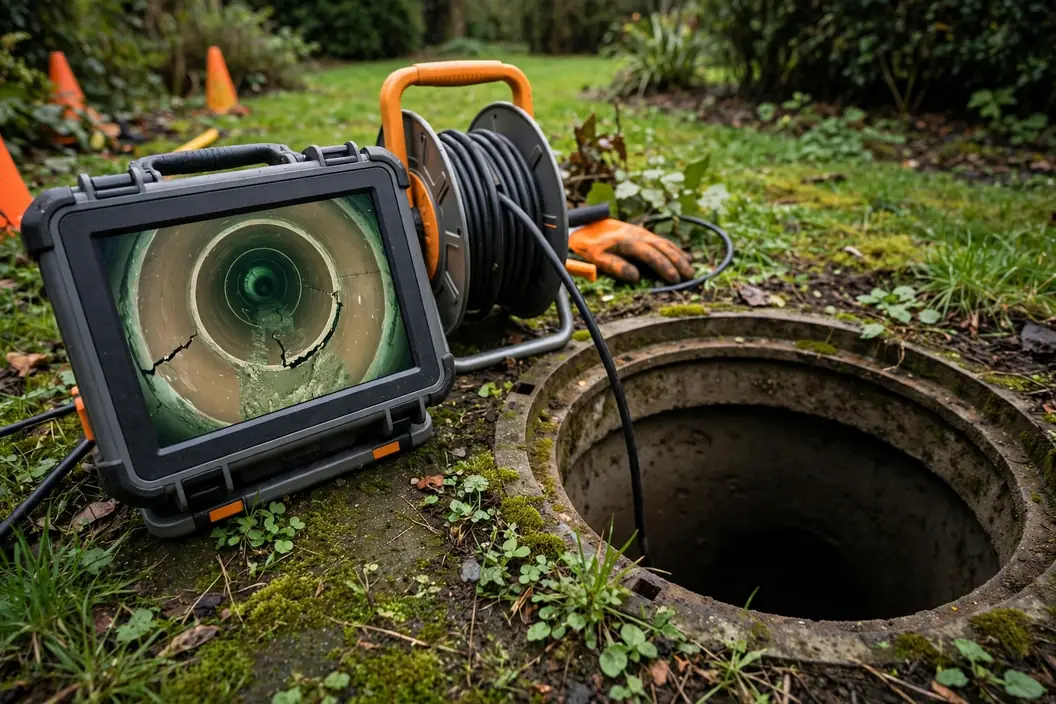
The definitive answer comes from a CCTV drain survey. A small camera is pushed through the drainage from the chamber, recording the inside of every pipe. It shows exactly where the cracks, displaced joints and redundant branches are, so repairs can be targeted rather than guesswork. Where we suspect a drain entry, a survey is the difference between hoping you have fixed the problem and knowing you have.
Suspect your drains are the entry point? Cardiff Pest Control offers a free inspection and a clear, fixed quote before any work starts. Call 029 2236 0531 or contact us online, we aim to attend within 24-48 hours.
The fixes that actually work
Permanent fixes close the defect and block the route, then treat the rats already inside the property.
Repair the defect
A cracked pipe or displaced joint needs a proper repair, a patch or reline for localised damage, or excavation and replacement where the pipe has failed. Until the hole is closed, rats will keep using it, no matter how much treatment is done indoors.
Cap redundant drains properly
Disused branches found on a survey should be sealed off permanently at the junction, so the open route from the sewer no longer exists.
Fit a rat blocker
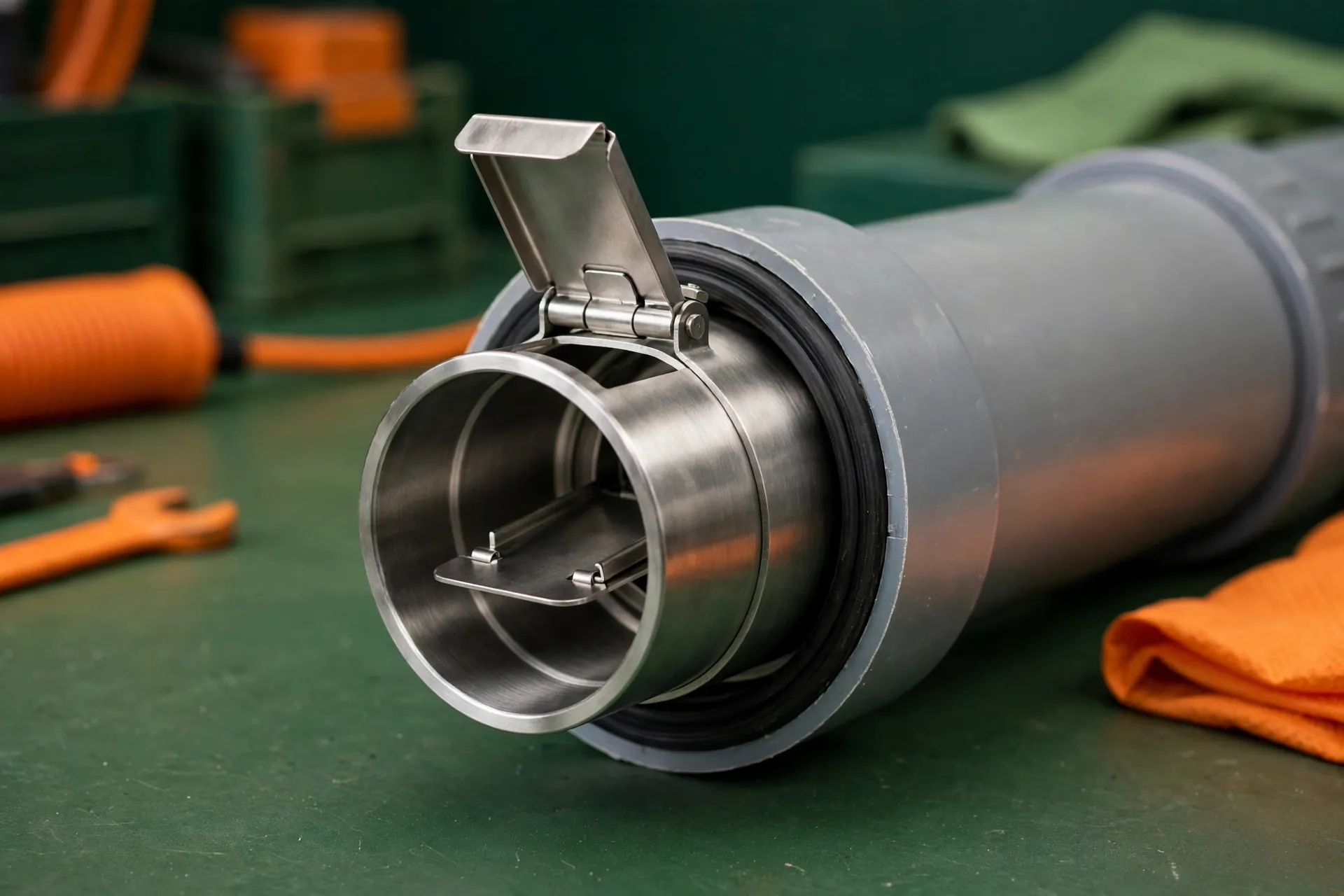
A rat blocker (also called a non-return valve or drain valve) is a stainless steel flap fitted inside the pipe in your inspection chamber. Waste and water flow out freely, but the flap cannot be pushed open from the sewer side, so rats physically cannot pass. Fitted correctly in the right chamber, a blocker protects the whole property and is often the single most effective long-term measure for drain problems. It must be the right type for the pipe and installed so it cannot cause blockages, this is a job to have done properly and checked as part of the survey.
Treat the rats already inside
Blockers and repairs stop new rats arriving, but they do nothing about the rats already living in your walls and loft. Those still need professional treatment and proofing, using tamper-resistant bait stations and targeted trapping, alongside the drainage work.
Who is responsible, you or Welsh Water?
This confuses a lot of people, so here is the simple version for Cardiff:
- Private drains, the pipes that serve only your property and sit within your boundary, are your responsibility to repair and maintain.
- Shared drains and public sewers, where a drain serves more than one property, or once it leaves your boundary, are generally the responsibility of Dŵr Cymru Welsh Water, following the 2011 transfer of private sewers.
- If a defect is on a Welsh Water asset, report it to them. If it is on your private drain, the repair is yours, but a rat blocker fitted in your own chamber can still protect your home regardless of where rats are coming from downstream.
- Cardiff Council’s environmental health team can also become involved where an infestation is affecting health or neighbouring properties.
When to call a professional
Drain problems are rarely solved with DIY treatment alone, because the source is underground and out of sight. Get professional help if:
- Rats keep returning after treatment.
- You can hear activity but cannot find an entry point indoors.
- You find droppings in the inspection chamber.
A dead rat in a drain or wall void also needs attention, our guide to dead rat smells in the house explains what to do about that particular problem.
Cardiff Pest Control has dealt with rat problems across Cardiff since 2017. We inspect free of charge, trace the entry route, including the drains where needed, agree a fixed quote before work starts, and back the work with a satisfaction guarantee. Call 029 2236 0531 to book an inspection.
Key takeaways
- A problem that keeps returning after treatment often points to the drains.
- A CCTV drain survey is the only way to be certain which defect rats are using.
- Repair the defect, cap redundant drains and fit a stainless steel rat blocker to stop new rats arriving.
- Private drains are your responsibility, while shared drains and public sewers are generally Dŵr Cymru Welsh Water responsibility.
Frequently Asked Questions
Can rats come up through the toilet?
It is possible but rare, because the toilet water trap is a strong barrier. Rats more often enter through defects around the soil pipe or drain, then travel inside walls.
How do I know for sure if rats are in my drains?
Droppings in the inspection chamber and a problem that keeps returning are strong clues. A CCTV drain survey is the only way to be certain, as it shows the exact defects rats are using.
What is a rat blocker and does it work?
A rat blocker is a stainless steel non-return valve fitted inside your inspection chamber drain. It lets waste flow out but cannot be opened from the sewer side, so rats cannot get past.
Who pays to fix a broken drain, me or Welsh Water?
Drains serving only your home within your boundary are your responsibility. Shared drains and public sewers are usually Dŵr Cymru Welsh Water’s responsibility. A CCTV survey shows where the defect is.
Will fitting a rat blocker get rid of the rats already in my house?
No. A blocker stops new rats arriving from the sewer, but rats already in walls, lofts or under floors still need treatment and proofing. Both jobs are needed together.