Organic pest control is an approach to managing unwanted insects, rodents and other pests using prevention, physical barriers, biological controls, habitat management and selected lower-impact treatments. Instead of relying only on conventional chemical pesticides, the aim is to control pest activity while reducing unnecessary effects on people, pets, plants and beneficial wildlife.
For gardens, this can mean encouraging natural predators, protecting crops with mesh, improving soil conditions and removing the food and shelter that pests need. Around homes and businesses, the approach can include better sanitation, sealing entry points, reducing attractants and using targeted treatments where necessary.
However, organic does not automatically mean harmless or suitable for every pest problem. Natural substances can still affect plants, pollinators, and other non-target organisms when used incorrectly. The most effective approach is usually to identify the pest first, understand what is attracting it, and then choose the least disruptive method that can provide effective control.
What Is Organic Pest Control?
Organic pest control focuses on managing pests through natural, biological, physical, and preventative methods rather than depending entirely on synthetic pesticides.
Depending on the pest and environment, an organic or low-impact approach may include:
- Physical control, such as mesh, traps, barriers and exclusion methods that prevent pests from reaching food, plants or buildings.
- Biological control, which uses natural predators or beneficial organisms to reduce pest populations.
- Habitat management, which removes food, water and shelter that allow pests to survive and reproduce.
- Good hygiene and sanitation, particularly around kitchens, waste areas, food storage and commercial premises.
- Plant-based or biological treatments, where an appropriate product can be used as part of a targeted pest-management programme.
- Monitoring and early intervention, which allows a problem to be addressed before the pest population becomes established.
The objective is not necessarily to eliminate every insect from an environment. In gardens especially, some insects are beneficial and play an important role in pollination, decomposition and natural pest control.
How Does Organic Pest Control Work?
Effective organic pest control is usually based on prevention and integrated pest management (IPM) rather than a single treatment.
The first step is identifying the pest correctly. Different pests require different control methods, and treating the wrong species can waste time and potentially damage plants or non-target organisms.
Once the pest has been identified, the next step is to understand why it is present. This may involve looking at available food, moisture, shelter, nesting areas, plant health, waste management, and potential entry points.
The most appropriate control method can then be selected.
For a small garden pest problem, a physical barrier or biological control may be enough. For a recurring infestation inside a property, prevention may need to be combined with professional treatment.
This approach helps address the cause of pest activity, rather than simply treating the visible insects or animals.
Why Choose Organic and Eco-Friendly Pest Control?
A carefully managed organic or eco-friendly approach can reduce unnecessary pesticide use and encourage a healthier environment.
Protecting Beneficial Insects
Not every insect in a garden is a pest. Ladybirds, lacewings, hoverflies, bees and other beneficial organisms can contribute to pollination or naturally reduce pest populations.
Broad, unnecessary pesticide use can affect these organisms along with the target pest. Targeted management helps reduce this risk.
Reducing Unnecessary Chemical Use
Where a physical, biological, or preventative method can solve a minor pest problem, there may be little reason to use a stronger chemical treatment.
This does not mean chemical treatments are always inappropriate. Some infestations require professional intervention, and the safest solution depends on the pest, location and severity of the problem.
Supporting a Healthier Garden
Healthy plants, diverse planting and good soil management can make gardens more resilient.
Organic pest management therefore works best as part of a wider strategy that combines plant care, monitoring, sanitation and prevention.
Organic Pest Control Methods That Actually Work
There is no single method that works for every pest. The best solution depends on the species, location, and level of infestation.
1. Physical Barriers and Exclusion
Physical barriers prevent pests from reaching plants or entering protected areas.
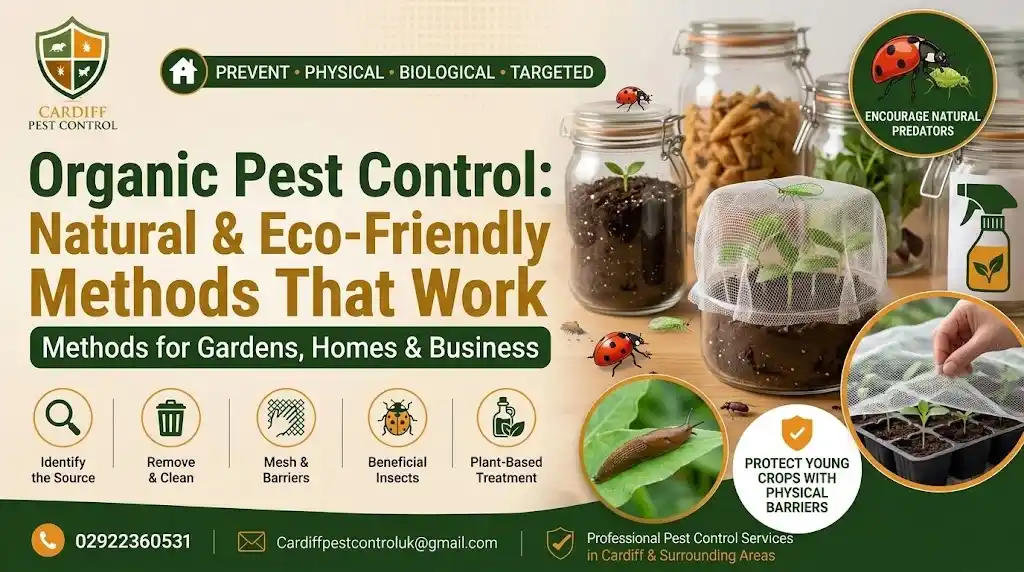
For gardens, this can include fine mesh, horticultural fleece, plant collars, cloches and protective netting. Around buildings, exclusion may involve sealing suitable gaps, improving door protection and repairing damaged vents or other access points.
Physical control is particularly useful because it does not rely on a substance being toxic to the pest.
2. Biological Pest Control
Biological control uses natural predators or organisms to reduce pest populations.
Examples include beneficial insects that feed on aphids and other soft-bodied pests, as well as specific biological controls used against certain soil-dwelling larvae.
Nematodes, for example, can be used against particular pest larvae when the correct species and application conditions are selected.
Biological control is highly specific, so it is important to identify the pest before choosing a biological treatment.
3. Habitat Management
Changing the environment can make it less suitable for pests.
In a garden, this may mean removing heavily infested plant material, improving airflow, controlling excessive moisture and avoiding conditions that allow pests to reproduce rapidly.
Around a property, habitat management can include reducing garden clutter, securing waste, removing accessible food sources and limiting areas where rodents can hide.
4. Good Hygiene and Sanitation
Food, waste and moisture can support many pest species.
Keeping food stored securely, cleaning spills promptly, maintaining waste areas and removing organic waste can reduce the resources available to pests.
This is particularly important for ants, cockroaches, flies, rodents and other household pests.
5. Plant-Based and Lower-Impact Treatments
Some plant-based products and horticultural treatments can be useful against particular pests.
However, natural does not automatically mean risk-free. Oils, soaps and botanical products can affect plants, pollinators and other organisms if they are applied incorrectly.
Always identify the target pest, follow the product instructions, and avoid treating flowering plants when pollinators are actively visiting them.
Organic Pest Control for Gardens
Gardens can often benefit from prevention and biological control because they already contain natural ecosystems.
Rather than trying to remove every insect, the goal should be to keep pest populations below a level where they cause significant damage.
Improve Soil Health
Healthy soil supports strong plant growth and a diverse ecosystem. Adding suitable organic matter and maintaining appropriate moisture can help plants develop well.
However, healthy soil should not be presented as a cure for every pest. Specific pests may still require targeted control.
Choose Suitable Plants
Some plant varieties have better resistance to particular pests or diseases than others.
When choosing plants, consider local growing conditions, soil type, and known pest problems. A local nursery or horticultural professional can help identify suitable varieties.
Encourage Natural Predators
A diverse garden can provide food and shelter for beneficial organisms.
Flowering plants can support pollinators, while suitable vegetation and habitat can encourage predators that feed on certain garden pests.
The objective is to create a balanced environment rather than deliberately introducing predators without understanding the pest problem.
Organic Pest Control for Garden Vegetables
Growing vegetables at home requires extra care because treatments may come into contact with food crops.
The safest approach is to focus on prevention first.
Companion Planting
Companion planting involves growing certain plants together for potential benefits such as attracting beneficial insects, providing habitat,t or making conditions less favourable for particular pests.
It can be useful as part of a wider gardening strategy, but it should not be treated as a guaranteed method of pest elimination.
Crop Rotation
Rotating vegetable families between growing areas can help reduce the build-up of certain soil-borne pests and diseases.
Crop rotation is particularly useful for gardeners who grow vegetables in the same beds year after year.
Regular Inspection
Check the underside of leaves, stems, and soil around plants regularly. Early detection gives you more options for controlling a pest before the population becomes established.
Removing affected leaves, washing off suitable pests, or introducing an appropriate biological control may be enough for minor problems.
Organic Control for Common Garden Pests
Different pests require different approaches. Correct identification should always come before treatment.
Aphids
Aphids are small sap-feeding insects that can multiply quickly under favourable conditions. For minor infestations, physically removing them or washing them from plants with an appropriate water spray may reduce numbers.
Encouraging natural predators such as ladybirds, hoverflies and lacewings can also help maintain control.
Slugs and Snails
Slugs and snails can cause significant damage to young plants and vegetables.
Useful preventative measures include reducing hiding places, protecting vulnerable plants with suitable barriers and encouraging natural predators.
Hand-picking during suitable conditions can also reduce numbers, particularly in smaller gardens.
Vine Weevil and Other Root Pests
Some pests spend part of their life cycle in the soil, making them difficult to detect until plants begin showing signs of damage.
Where an appropriate biological control is available, beneficial nematodes may be used against specific soil-dwelling larvae. Correct identification and application conditions are important for successful control.
Fungus Gnats
Fungus gnats are often associated with consistently damp compost, particularly in indoor and container-grown plants.
Allowing suitable growing media to dry appropriately between watering, improving drainage, and avoiding excessive moisture can help reduce favourable conditions.
Organic Pest Control for Plants in Containers
Container plants can become stressed more quickly because their root systems have less space and their growing conditions can change rapidly.
A few simple measures can help:
- Check drainage regularly: Poor drainage and constantly wet compost can create favourable conditions for fungus gnats and other problems.
- Avoid overwatering: Water according to the needs of the plant rather than following a fixed schedule.
- Use suitable growing media: Fresh, appropriate compost can reduce some problems associated with old or contaminated growing media.
- Inspect plants regularly: Check leaves, stems, and the surface of the growing medium so pest activity can be identified early.
- Separate affected plants: If one container plant develops a significant infestation, moving it away from healthy plants can help reduce the risk of spread.
Organic Pest Control for Household Pests
Organic and natural methods are not limited to gardens. Some preventative techniques can also help reduce pest activity around homes.
Ants
Keep food sealed, clean spills quickly,y and identify where ants are entering. Sealing suitable access points can help prevent repeated activity.
Flies
Good waste management, clean food-preparation areas, and covered bins can reduce the food and breeding opportunities available to flies.
Rats and Mice
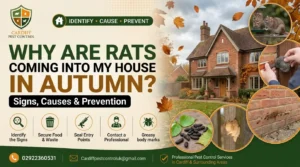
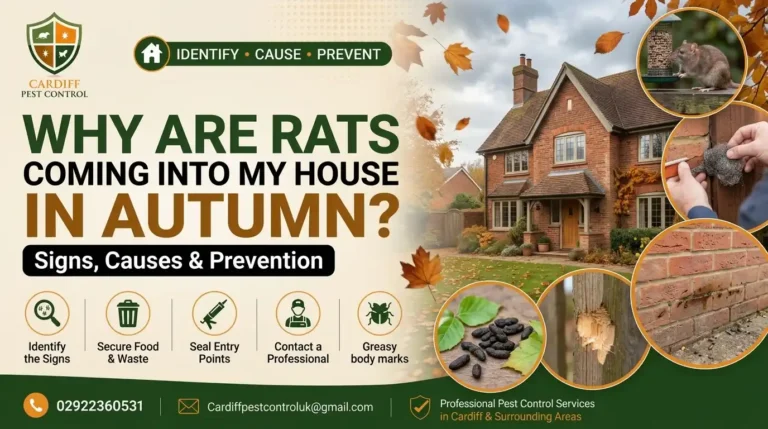
Rodent prevention focuses heavily on exclusion and removing attractants. Secure food and waste, reduce outdoor shelter, maintain gardens and inspect buildings for potential entry points.
For established rodent problems, professional treatment may be required. Our guide on how to get rid of rats provides further information about identifying and managing rat activity.
Cockroaches
Cockroaches can be difficult to control once an infestation becomes established. Good sanitation and reducing food and moisture sources are important, but established infestations may require a targeted professional treatment programme.
You can also learn more about cockroach control and the signs of an infestation.
Wasps
Wasp nests should not normally be disturbed or treated without proper knowledge of the species and risks involved. Prevention can reduce attractants around buildings, but an established nest may require professional treatment.
Is Organic Pest Control Safe for Children and Pets?
Organic and natural products should not automatically be described as completely safe for children or pets.
Safety depends on the specific product, concentration, application method, and exposure.
Even plant-derived substances can cause irritation or harm if they are swallowed, inhaled, or applied incorrectly. Some biological controls may also affect non-target organisms under certain circumstances.
For this reason, always follow product instructions and keep children and pets away from treated areas when required.
For professional pest control, the treatment method should be selected according to the pest, property,y and circumstances, with appropriate precautions explained before and after treatment.
Is Organic Pest Control as Effective as Chemical Treatment?
Organic and biological methods can be highly effective for some pest problems, particularly when they are used as part of a broader prevention strategy.
However, there is no universal treatment that works for every pest.
A physical barrier may be extremely effective against a particular insect, while a biological control may be better suited to a soil pest. An established cockroach, rat, or bed bug infestation may require professional treatment rather than relying solely on household remedies.
The important question is not whether a treatment is labelled organic or chemical. It is whether the method is appropriate for the pest, effective at the required level, and used safely.
When Organic Pest Control May Not Be Enough
Natural or low-impact methods are not always sufficient for established infestations.
Professional pest control may be more appropriate when:
- The pest population continues to increase despite preventative measures.
- Rats, mice or other rodents are entering a building.
- Cockroaches are appearing repeatedly in kitchens, bathrooms or other areas.
- Bed bugs are present and spreading between rooms.
- A wasp or other stinging-insect nest is located in or around a building.
- Pest activity is affecting a business, food-preparation area or commercial property.
- You cannot identify the pest or determine where it is coming from.
- DIY treatments have faile,d or the infestation keeps returning.
The aim should always be effective and proportionate pest management, rather than choosing a treatment simply because it is described as natural.
Eco-Friendly Pest Control in Cardiff
For homeowners and businesses in Cardiff, the right approach depends on the pest, where it is located and how established the problem has become.
Professional pest control does not necessarily mean using the strongest available chemical treatment. A responsible pest-management approach starts with identifying the pest, inspecting the affected area and considering prevention, exclusion and targeted treatment wherever appropriate.
If you are dealing with an ongoing pest problem, our pest control services in Cardiff cover a range of common household and commercial pests, including rodents, ants, cockroaches, wasps and other insects.
Where prevention or non-chemical measures are suitable, these can form part of the overall control strategy. Where a more targeted treatment is required, the method should be selected according to the pest and the circumstances.
How to Make Your Property Less Attractive to Pests
Whether you are managing a garden or protecting the inside of your home, prevention is one of the most important parts of pest management.
- Secure food and waste: Store food in sealed containers, clean spills promptly and keep household waste in secure bins.
- Remove unnecessary shelter: Clear away excessive garden clutter, piles of timber, unused containers and other materials that could provide hiding places.
- Control moisture: Repair leaks, improve drainage and avoid leaving standing water around the property.
- Inspect plants regularly: Early detection makes many garden pest problems easier to manage.
- Protect vulnerable plants: Use appropriate mesh, fleece or other physical barriers where practical.
- Encourage beneficial wildlife: Diverse planting can provide food and habitat for pollinators and natural pest predators.
- Seal suitable entry points: Check around doors, vents, pipes, cables and other openings where pests could enter buildings.
- Do not rely on one treatment: Combining prevention, monitoring and appropriate control methods is usually more effective than repeatedly applying a single remedy.
Final Thoughts
Organic pest control is most effective when it is treated as a complete pest-management strategy rather than a search for one natural product.
Prevention, hygiene, physical barriers, biological controls, habitat management and careful monitoring can all play an important role. In gardens, these methods can help protect plants while supporting beneficial insects and a healthier ecosystem.
However, natural does not automatically mean harmless, and organic methods are not suitable for every situation. Established infestations may require professional assessment and targeted treatment.
If you are dealing with a persistent pest problem in Cardiff, Cardiff Pest Control can assess the situation and recommend an appropriate approach based on the pest, property, and level of activity.
Frequently Asked Questions
1. What is the most effective organic pest control method?
There is no single method that works for every pest. Physical barriers, biological controls, sanitation, habitat management, and targeted treatments can all be effective when matched to the correct pest and circumstances.
2. Is organic pest control better than chemical pest control?
Not necessarily in every situation. Organic methods can reduce unnecessary pesticide use and work well for many garden and minor pest problems, but established infestations may require professional treatment. The most appropriate method depends on the pest, location, and severity of the problem.
3. Is organic pest control safe for pets and children?
Natural products are not automatically risk-free. Some organic or plant-based substances can cause harm if used incorrectly. Always follow product instructions and observe any safety precautions concerning children, pets and treated areas.
4. Can I use organic pest control on vegetables?
Yes, some biological, physical and plant-based methods can be used around vegetable crops. However, always check that a particular product or method is suitable for edible plants and follow its instructions carefully.
5. What is the best natural way to control aphids?
For smaller infestations, physically removing aphids or washing them from suitable plants can help. Encouraging natural predators such as ladybirds, hoverflies and lacewings can also support longer-term control.
6. How can I control slugs without chemical pesticides?
You can combine several approaches, including removing hiding places, protecting vulnerable plants with suitable barriers, hand-picking slugs and encouraging natural predators. The best combination depends on the size and conditions of the garden.
7. Can organic pest control get rid of rats?
Prevention and exclusion can reduce the conditions that attract rats, but an established infestation may require professional rodent control. Secure food and waste, remove outdoor shelter and inspect the property for potential entry points.
8. Does organic pest control work for cockroaches?
Prevention can help reduce food, moisture, and shelter available to cockroaches, but established infestations can be difficult to control with household remedies alone. Professional treatment may be necessary when activity persists.
9. How often should organic pest control treatments be applied?
There is no universal schedule. Application frequency depends on the pest, product, weather, level of infestation,n and treatment instructions. Repeated applications should never be made simply because a treatment is described as organic.
10. When should I call a professional pest controller?
Professional help is appropriate when pest activity is persistent, increasing, difficult to identify,fy or affecting your home or business. It is particularly important for rodents, bed bugs, cockroaches, wasp nests and other infestations where incorrect treatment can allow the problem to spread.