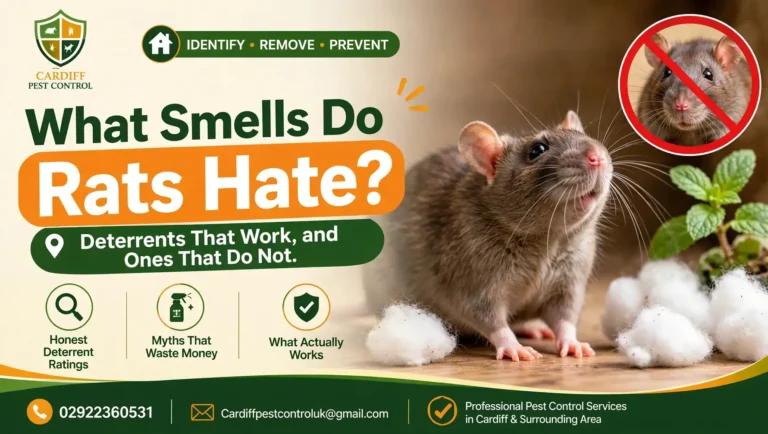

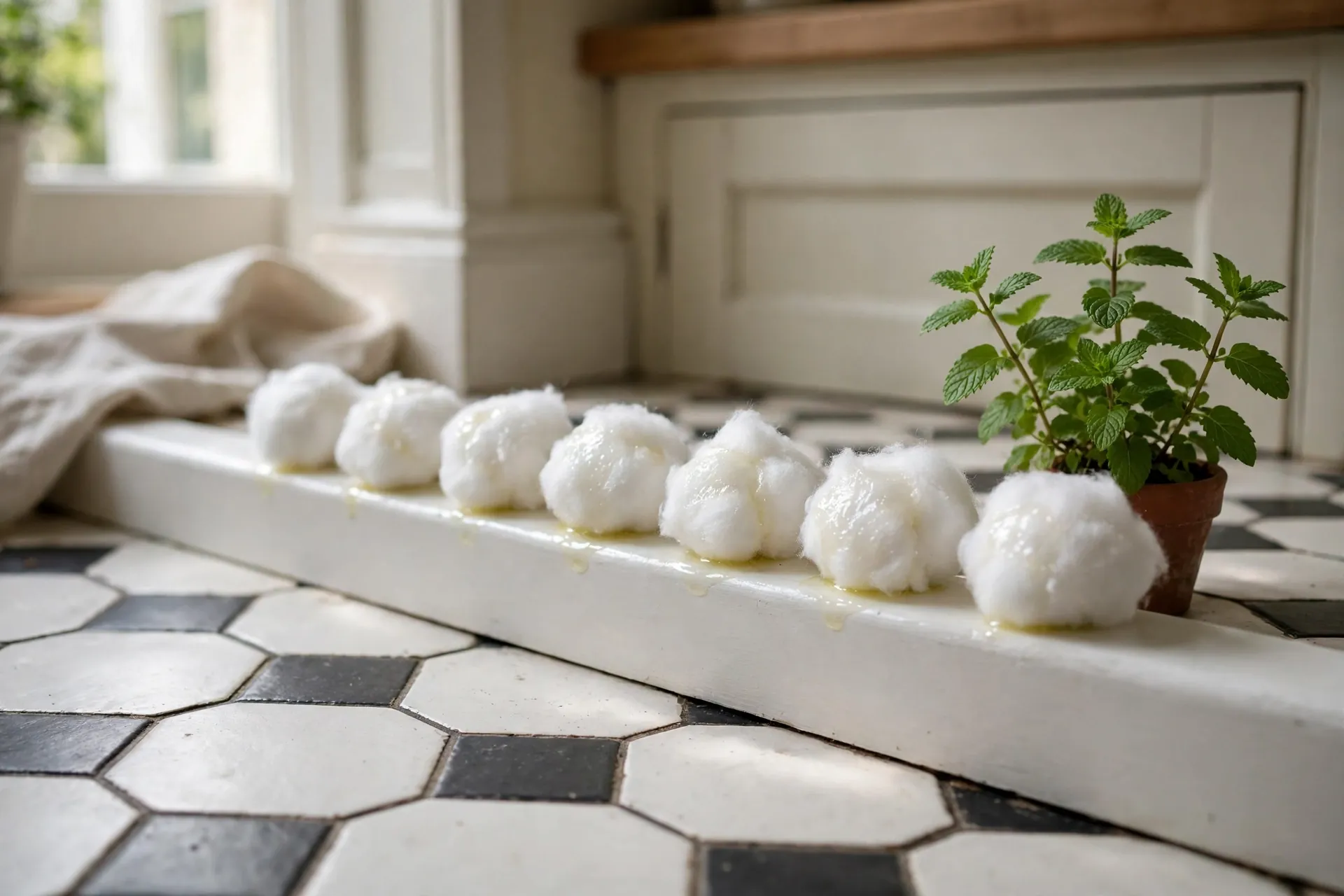
Peppermint oil on cotton wool is probably the most shared rat tip in Britain. It is cheap, it smells pleasant to us, and it feels like a kind answer. The honest truth, from years of clearing rats out of Cardiff homes, is that no smell reliably keeps rats away. This guide explains why, rates the popular deterrents fairly, and covers what actually works.
If rats are already in your home, smells will not move them on. Our rat and rodent control service in Cardiff starts with a free inspection, so you can find out where they are getting in and what will actually stop them.
Quick answer: Rats dislike strong smells like peppermint oil, but the effect is weak and short lived, and rats quickly get used to it. Mothballs should never be scattered for rats. Proofing gaps, removing food and shelter, and proper control are what work. Cardiff Pest Control can inspect your Cardiff home free.
Why smells do not stop rats for long
Rats have an excellent sense of smell, which is why the idea sounds logical. In practice, three things defeat every scent deterrent:
- The smell fades. Oils and sprays lose strength within days, while rats are patient and live on site.
- Rats adapt. A new smell may cause caution at first, but rats test it, learn it is harmless, and carry on.
- Food and shelter win. A warm loft, a wall cavity and a food supply matter far more to a rat than an unpleasant smell nearby.
At best, a strong smell may push rats to use a different run or corner of the same building. That can make a problem harder to spot, not smaller. In Cardiff terraces, we often find rats have simply moved along the wall to the neighbour’s side of the loft.
Why these myths are so popular
Smell deterrents are cheap, quick and kind, so they are shared widely online and sold in every garden centre. They also seem to work at first: a rat that meets a strong new smell may stay away for a night or two, and the quiet feels like success. The problem is that the rats have usually just moved a few feet, into a wall, a ceiling void or the next room along. By the time droppings appear again, the group is often bigger than it was when the oil went down. That delay is the real cost of a myth.
The popular deterrents, rated honestly
| Deterrent | The claim | The honest verdict |
|---|---|---|
| Peppermint oil | Rats hate the smell and will leave | May put rats off for a day or two. Fades fast, never clears an infestation. |
| Mothballs | Scatter them in the loft or garden | Do not use. Approved only for clothes moths as the label directs, and unsafe when scattered. |
| Ammonia | Smells like predator urine | Weak, short lived effect. Fumes are unpleasant and can be harmful indoors. |
| Chilli and cayenne | Rats hate the taste and heat | May protect one small item briefly. Washes away outdoors and does not stop entry. |
| Ultrasonic plug-ins | Sound drives rats away | Not a smell, but sold the same way. Evidence is weak and rats get used to the sound. |
Mothballs and ammonia: the safety problem
Two of the most repeated tips are also the riskiest. Mothballs are a pesticide. They are approved only for use against clothes moths, in the way the label describes. Scattering them around a loft, garden or child’s bedroom to deter rats is not an approved use, and the chemicals can harm children, pets and wildlife.
Ammonia gives off strong fumes that can irritate eyes and lungs, especially in closed spaces like lofts and cupboards. Any small benefit is gone within days. Neither product is worth the risk, and neither will empty a loft of rats in a Cardiff home or anywhere else.
What actually keeps rats out
Rats are stopped by physical barriers and by removing the things they need. This is less glamorous than a bottle of oil, but it works:
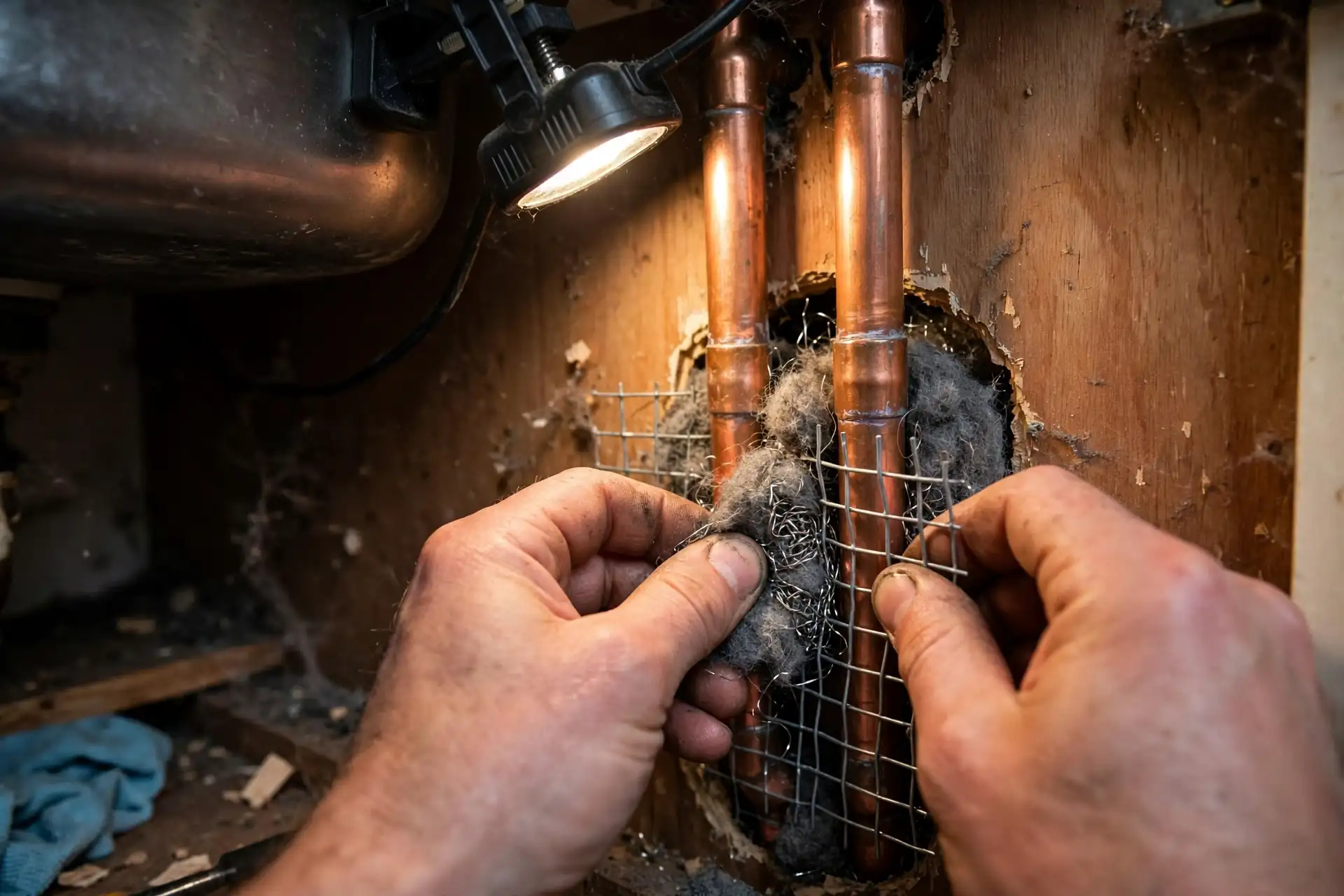
- Seal the gaps. Rats squeeze through holes around 20mm wide. Fit mesh, steel wool with cement, and metal plates around pipes, cables, air bricks and door edges.
- Guard the drains. Broken drain covers are a common entry route. Our guide to rats in drains explains how they get in and how drain guards stop them.
- Remove food. Store food and pet food in sealed containers, clean up spills, and keep bin areas tidy.
- Cut back shelter. Clear ivy, log piles and clutter against walls, and keep gardens tidy near the house.
- Know the signs. Droppings, gnaw marks and night noises tell you rats are present. Our guide to the signs of rats in the house shows what to check.
Traps, and when DIY is not enough
For a small, new problem, well-placed traps can work, and our guide on how to get rid of rats covers the safe routine. But traps alone fail when entry points stay open, because new rats replace the ones caught. If you hear scratching in walls or ceilings, find droppings in the loft, or the problem returns after trapping, the entry route needs finding and sealing, and that is usually a professional job.
Shop-bought poison is another common step, but it carries real risks in a family home: pets and wildlife can be harmed, and a rat that dies inside a wall or under a floor leaves a smell that can last for weeks. Professional control uses bait safely in secured stations, with the entry points found and sealed as part of the same job.
When to call a professional
Call for help if droppings keep appearing, if you hear rats in the structure of the building, or if deterrents and traps have not worked within a couple of weeks. Rats breed quickly, so early action keeps the job smaller and cheaper to solve.
Cardiff Pest Control has helped Cardiff homes since 2017. We offer a free inspection, a fixed quote agreed before any work starts, and a satisfaction guarantee. We aim to attend within 24-48 hours. Call 029 2236 0531 to book.
Key takeaways
- No smell, oil or plug-in reliably keeps rats out of a home with food and shelter.
- Peppermint oil fades within days, and rats quickly learn to ignore strong smells.
- Never scatter mothballs for rats; they are a pesticide approved only for clothes moths.
- Proofing gaps, guarding drains and removing food are what actually stop rats.
Frequently Asked Questions
Does peppermint oil keep rats away?
Not in any lasting way. Rats may avoid a strong fresh smell for a short time, but the scent fades within days and hungry rats simply work around it. Peppermint oil on cotton wool is no substitute for proofing gaps.
Do ultrasonic plug-in deterrents work on rats?
The evidence is weak. Rats may react to the sound at first, but they get used to it, and sound does not travel through walls or furniture. Studies have not shown plug-ins clearing or preventing an infestation on their own.
Can I use mothballs to keep rats away?
No. Mothballs are a pesticide approved only for use against clothes moths, as the label directs. Scattering them in a loft or garden to deter rats is not an approved use, and the fumes can harm children, pets and wildlife.
What smell do rats hate the most?
There is no smell that reliably keeps rats away from a home with food and shelter. Strong smells like peppermint, ammonia or chilli may put rats off briefly, but proofing entry points and removing food are what actually stop them.
How do I keep rats away for good?
Seal gaps around pipes, doors and air bricks with mesh, steel wool and cement, keep food in sealed containers, tidy shelter in the garden, and deal with droppings or damage early. Proofing works because it blocks rats, not by smell.
It is natural to try the cheap, kind options first, and there is no harm in peppermint oil as long as you know its limits. Just do not let scent tips delay the proofing that really protects your home. If rats are already in, Cardiff Pest Control can find the entry points and close them for good.