Table of Contents
ToggleFinding a writhing mass of larvae in your bin is enough to make anyone’s stomach turn. At Cardiff Pest Control, we know that when you discover these pests, you want them gone immediately. However, simply washing them away isn’t a permanent fix. To truly resolve the issue, we need to look at why they are there and how to prevent their return.
In this guide, we will break down where do maggots come from, the most effective methods for how to kill maggots, and how to ensure your home stays clear of these invaders.
What Are Maggots and Do Maggots Turn into Flies?
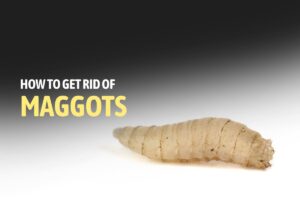
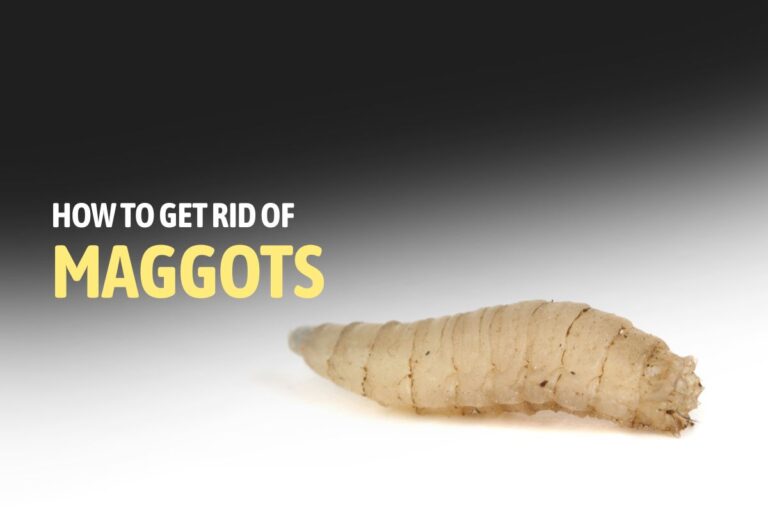
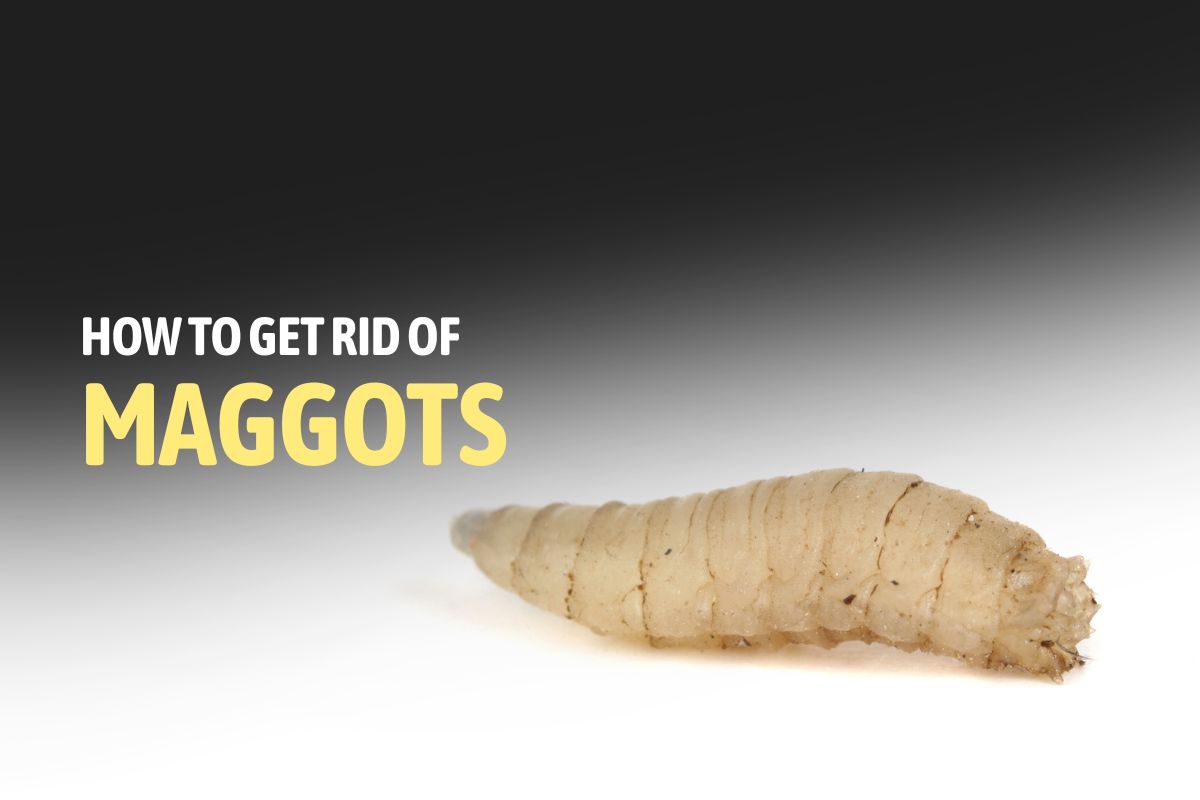
Before we dive into removal, let’s address the biology. Do maggots turn into flies? Yes, absolutely. Maggots are simply the larval stage of the common fly, most often the housefly or the blowfly (bluebottle).
The life cycle is incredibly fast. A female fly can lay hundreds of eggs at a time.Within 8 to 24 hours, those eggs hatch into the small, cream-colored, legless larvae we call maggots. They spend about five days eating as much organic matter as possible before they enter the pupal stage, eventually emerging as flying adults. This is why a small fly problem can escalate into a full-blown infestation in less than a week.
How Do Maggots Appear? (The Mystery Solved)
A common question we hear is: “How do maggots appear out of nowhere?” It can feel like they spontaneously generate, but the reality is much more grounded.
Flies have a highly developed sense of smell.They are attracted to the scent of decaying organic matter from miles away. This includes:
- Rotting meat or fish scraps.
- Overripe fruit and vegetables.
- Pet waste.
- Wet cardboard or fermenting liquids.
When a fly finds a suitable food source, it lands and lays its eggs directly onto the material. Because the eggs are microscopic, you won’t notice them until they hatch into visible, moving larvae a few hours later.
Where Do Maggots Come From?
While the kitchen bin is the most common culprit, maggots can thrive anywhere there is moisture and decaying protein. We often find them in:
- Trash Cans: Especially those containing food waste that isn’t bagged tightly.
- Pet Bowls: Wet pet food left out in the heat is a prime target.
- Under Appliances: A spilled bit of milk or meat juice under a fridge can support a hidden colony.
- Carcasses: If a rodent has died in a wall or loft, maggots will quickly appear to break down the remains. This is often a sign of a larger rodent infestation.
How to Get Rid of Maggots in Trash Cans
If you have maggots in a garbage can, you need to act decisively. Emptying the bag isn’t enough because many larvae will crawl out of the bag and hide in the crevices at the bottom of the bin.
Step 1: The Boiling Water Flush
The simplest and most immediate way to kill maggots is boiling water. It is effective, free, and non-toxic. Once the bin is empty, pour a kettle full of boiling water over the larvae. This kills them instantly on contact.
Step 2: The Deep Scrub
After the initial kill, you must remove the “scent” that attracted the flies in the first place. Use a mixture of:
- One part vinegar to two parts water.
- A heavy-duty disinfectant or bleach.
- Essential oils like peppermint or eucalyptus (flies hate these scents).
Scrub the inside and outside of the bin, paying close attention to the lid seal.
Step 3: Drying
Flies and maggots need moisture to survive. After cleaning, leave your bin out in the sun to dry completely before putting in a new liner.
What Kills Maggots? (Chemical and Natural Solutions)
If boiling water isn’t an option, or if you are dealing with a larger area, here is what kills maggots effectively:
| Method | How it Works | Best For |
| Salt | Dehydrates the larvae quickly. | Sprinkling over small groups in bins. |
| Lime or Diatomaceous Earth | Dries out the environment and kills larvae through dehydration. | Large outdoor bins or compost heaps. |
| Permethrin Sprays | A synthetic insecticide that attacks the nervous system. | Severe infestations or hard-to-reach cracks. |
| Bleach Solution | Kills on contact and disinfects the food source. | Hard surfaces like concrete or plastic bins. |
How to Kill Maggots Permanently: Professional Tactics
Sometimes, a maggot problem is a symptom of a much larger issue. If you find maggots consistently appearing in your kitchen or under your floors, there may be a dead animal or a significant cockroach infestation nearby that is providing them with food.
In professional pest control, we don’t just kill the larvae; we use Growth Regulators. These are specialized treatments that prevent the larvae from ever reaching the pupal stage. By stopping them from becoming flies, we break the cycle of re-infestation. We also use high-grade residual sprays on entry points to ensure that new flies aren’t tempted to enter your home.
Prevention: Keeping Your Bin Maggot-Free
We believe the best way to get rid of maggots is to never have them in the first place. Here is our professional advice for a fly-free home:
- Double-Bag Meat: If you have meat scraps, wrap them in a smaller bag and tie it tightly before putting it in the main bin.
- Squeeze the Air Out: When tying bin liners, remove as much air as possible. This slows down the decay process.
- Clean Your Bins Regularly: We recommend a quick rinse with disinfectant once a week.
- Keep Bins in the Shade: Heat accelerates the rotting process, making your bin “smellier” to flies.
- Use Bicarbonate of Soda: Sprinkle some at the bottom of your bin to absorb odors and moisture.
If you are dealing with other flying pests that seem similar, such as drain flies, the treatment approach is different, as they live in the sludge of pipes rather than on solid waste.
FAQs
Can maggots live in a human body?
While extremely rare in the UK and usually associated with specific tropical flies or severe untreated wounds (a condition called myiasis), common housefly maggots do not live inside healthy humans. They are interested in decaying matter, not living tissue.
Are maggots dangerous to pets?
Yes, they can be. If a pet eats maggots or if flies lay eggs on a pet with an open wound or dirty fur, it can lead to health complications. Always keep pet food bowls clean and check your pets for any signs of flies hovering around them.
Will vinegar kill maggots?
Vinegar is a great cleaner and repellent, but it isn’t the most efficient way to kill them on contact. Boiling water or salt is much faster. Use vinegar after the kill to sanitize the area.
How do I get rid of maggots in my carpet?
If they are in your carpet, they have likely crawled away from a food source to find a dark place to pupate. You should vacuum them up immediately, dispose of the vacuum bag outside, and then use a steam cleaner. The heat from the steam will kill any remaining eggs or larvae.
How long does it take for a maggot to become a fly?
The entire process from egg to adult fly takes about 7 to 10 days in warm weather. This is why you must act fast—if you wait a week, the “crawling” problem will become a “flying” problem.
Is there a specific spray that kills maggots?
Most “Fly and Wasp” sprays will kill maggots if applied directly, but they are often less effective than simple household methods like boiling water. For professional-grade results, we use specialized insecticides that have a longer lasting effect.