Table of Contents
ToggleNoticing a cloud of tiny, moth-like insects fluttering around your sink or shower? You’re likely dealing with drain flies. These persistent little pests, also known as moth flies or sewer flies, are a common household nuisance. While they might seem harmless at first glance, a drain fly infestation is a sign of organic build-up lurking within your pipes. This comprehensive guide will walk you through exactly how to get rid of drain flies, from understanding what they are to implementing effective drain flies treatment and prevention strategies.
What Are Drain Flies?
Before we dive into eradication, it’s crucial to know your enemy. What are drain flies? Scientifically known as Psychodidae, drain flies are small flies, about 1/8 of an inch long, with a distinctive fuzzy or moth-like appearance. Their wings are broad and covered in hairs, giving them a silhouette that differentiates them from other common flies. They are weak fliers and are often seen hopping or running along surfaces near drains, which is their primary breeding ground.
Understanding their life cycle is key to effective control. Adult drain flies lay their eggs in the gelatinous, organic sludge that accumulates inside drain pipes, garbage disposals, and other damp areas. Within 48 hours, these eggs hatch into larvae, which feed on the decomposing gunk for 1-3 weeks before pupating and emerging as the annoying adults you see.
Are Drain Flies Harmful? Do Drain Flies Bite?
This is a common and important question for any homeowner. The good news is that drain flies do not bite. They lack the mouthparts to bite humans or pets. However, the question “are drain flies harmful?” has a more nuanced answer.
While they are not direct vectors of disease like some other pests, they can pose an indirect health risk. Because they breed and feed in filthy, bacteria-laden environments like drains and sewage, they can pick up pathogens on their bodies. When they land on your toothbrush, kitchen surfaces, or clean dishes, they can potentially transfer these contaminants. For individuals with asthma or allergies, the shed skin and feces from a large infestation can become an irritant. Therefore, even though they don’t bite, a drain fly problem should be taken seriously as an indicator of unsanitary conditions.
Fruit Flies vs Drain Flies: Know the Difference
It’s easy to confuse these two common pests, but correctly identifying them is the first step to proper treatment. Here’s a quick guide to fruit flies vs drain flies:
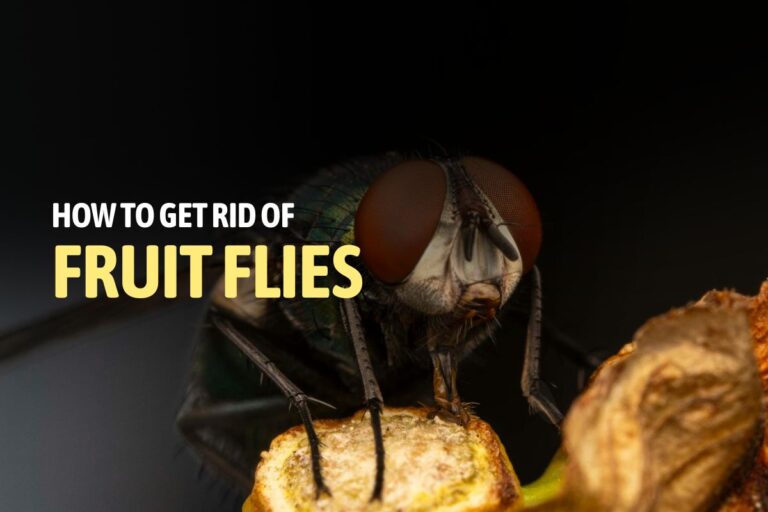
- Appearance: Drain flies are darker (gray or black) and have a furry, moth-like shape. Fruit flies are tan or light brown with a more classic, streamlined fly appearance and often have red eyes.
- Breeding Grounds: This is the key difference. Drain flies breed in the slimy film inside drains. Fruit flies breed in fermenting organic matter like overripe fruit, vegetables, and spilled drinks.
- Behaviour: Drain flies have a weak, fluttering flight and tend to stay close to drains. Fruit flies are more agile fliers and are drawn to kitchens and fruit bowls.
If you’re seeing flies in your kitchen, our guide on how to get rid of ants in the kitchen can help you tackle another common invader. Misidentification can lead to using the wrong treatment, so always check the source first.
How to Kill Drain Flies: Effective Treatment Methods
A successful drain flies treatment involves a two-pronged approach: killing the existing adults and, more importantly, eliminating the breeding source. Here’s how to kill drain flies for good.
Step 1: Locate the Infested Drain
Drain flies in the bathroom are most common, but don’t forget to check kitchen sinks, floor drains, utility sinks, and even seldom-used drains in basements or garages. A simple test is to place a piece of tape or plastic wrap over the drain overnight. If adults are trapped on the underside in the morning, you’ve found your source.
Step 2: Clean the Drain Thoroughly
This is the most critical step. Without removing the breeding film, any other treatment is temporary.
- Physical Removal: Use a stiff-bristled brush or a drain scraper to physically scrub the sides of the drain pipe as far down as you can reach. This dislodges the biofilm where eggs and larvae live.
- Boiling Water: Follow the scrubbing by pouring a kettle of boiling water down the drain. This helps to melt and flush away the loosened sludge. Caution: Do not use boiling water if you have PVC pipes, as it can soften them.
- DIY Enzymatic Cleaner: A mixture of 1/2 cup of baking soda followed by 1 cup of white vinegar creates a fizzing reaction that can help break down organic matter. Let it sit for 15-20 minutes, then flush with hot water.
Step 3: Use Targeted Treatments
After cleaning, use these methods to eliminate any remaining larvae and eggs.
- Bacterial Drain Gel: These are highly effective fly traps for drain flies in larval form. The gel contains bacteria that eat away the organic sludge, starving the larvae. It’s a safe and long-lasting solution for regular maintenance.
- Chemical Drain Treatments: Use these with caution. A foaming drain cleaner designed for organic build-up can reach further into pipes than liquids. Always follow manufacturer instructions and ensure good ventilation.
Step 4: Tackle the Adult Flies
While you address the source, you’ll want to reduce the adult population.
- Homemade Fly Traps for Drain Flies: Create a simple trap by filling a bowl with apple cider vinegar and a drop of dish soap. The vinegar attracts the flies, and the soap breaks the surface tension, causing them to drown.
- Commercial Sticky Traps: These can be placed near infested areas to catch adults.
Getting the source right is half the battle. If you’re dealing with pests that originate from other areas of your home, like rodents in your walls, our article on rats in the walls offers crucial insights.
Preventing Future Infestations
Once you’ve successfully learned how to treat drain flies, prevention is key to keeping them from returning.
- Regular Drain Maintenance: Make drain cleaning a monthly habit. Pour boiling water down all drains weekly. Use bacterial drain gel monthly in problem drains.
- Eliminate Standing Water: Fix leaky faucets and pipes. Keep sink and shower traps filled with water to prevent sewer gases and flies from entering through unused drains.
- Clean Surfaces: Wipe down sink and shower surfaces to remove toothpaste, soap scum, and hair that can wash down the drain and contribute to build-up.
- Garbage Disposal Care: Regularly clean your garbage disposal with ice cubes and citrus peels to sharpen the blades and clean the sides. Always run plenty of water when using it.
A proactive approach to home maintenance is your best defence against all kinds of pests. For a broader strategy, our piece on winter pest management provides essential tips for year-round protection.
When to Call a Professional
If you’ve tried the above methods multiple times and the drain flies persist, the infestation source might be deeper within your plumbing system, such as in a broken pipe or a hidden floor drain. This is when it’s time to call in the experts.
A professional pest control service, like Cardiff Pest Control, has the tools and expertise to perform a thorough inspection and locate hidden breeding sites. We can provide powerful, targeted treatments that are safe for your home and family, ensuring the problem is resolved at its root. For persistent or complex pest issues, exploring our professional pest control service options is a wise decision for complete peace of mind.
Final Thoughts
Dealing with drain flies can be frustrating, but with the right knowledge and a systematic approach, you can reclaim your home. Remember, consistency is key. By implementing the cleaning and prevention strategies outlined above, you can enjoy a fly-free environment. If the problem proves too stubborn, don’t hesitate to contact us for fast, effective, and professional assistance.
FAQs
What is the fastest way to kill drain flies?
The fastest way to reduce adult flies is using a homemade vinegar trap or a commercial sticky trap. However, for a permanent solution, you must simultaneously clean the infested drain with boiling water, scrubbing, and a bacterial drain gel to eliminate the breeding source.
Can drain flies come from the toilet?
Yes, if there is a significant build-up in the toilet’s U-bend or if there is a crack in the porcelain near the drain line, it can become a breeding site. Regularly cleaning your toilet and ensuring it is in good repair can prevent this.
How long does it take to get rid of drain flies?
After a thorough drain cleaning and treatment, you should see a significant reduction in adult flies within a few days. The entire life cycle can be broken within 1-3 weeks if the breeding site is completely eradicated.
Are drain flies a sign of plumbing problems?
A drain fly infestation is primarily a sign of organic build-up in your pipes, which is common. However, a persistent problem despite regular cleaning could indicate a more serious issue like a broken pipe or a clogged sewer vent, which may require a plumber.
Can bleach kill drain flies?
Bleach can kill larvae on contact, but it is not a recommended long-term solution. Bleach is ineffective at removing the slimy biofilm where eggs are laid. It also flows quickly down the drain without clinging to the sides, making it less effective than gel-based cleaners.
Can drain flies infest plants?
Drain flies do not typically infest healthy houseplants. You might be thinking of fungus gnats, which are similar but breed in the overly moist soil of potted plants. Correctly identifying the pest is essential for effective treatment.