Table of Contents
ToggleDiscovering dozens of sluggish, oversized flies congregating in your upstairs rooms or loft space can be alarming. If you’re finding cluster flies in house suddenly as autumn approaches, you’re not alone. This comprehensive guide will explain exactly what are cluster flies, why they invade homes, and most importantly, how to get rid of cluster flies effectively and permanently.
What Are Cluster Flies? Understanding Your Unwelcome Guests
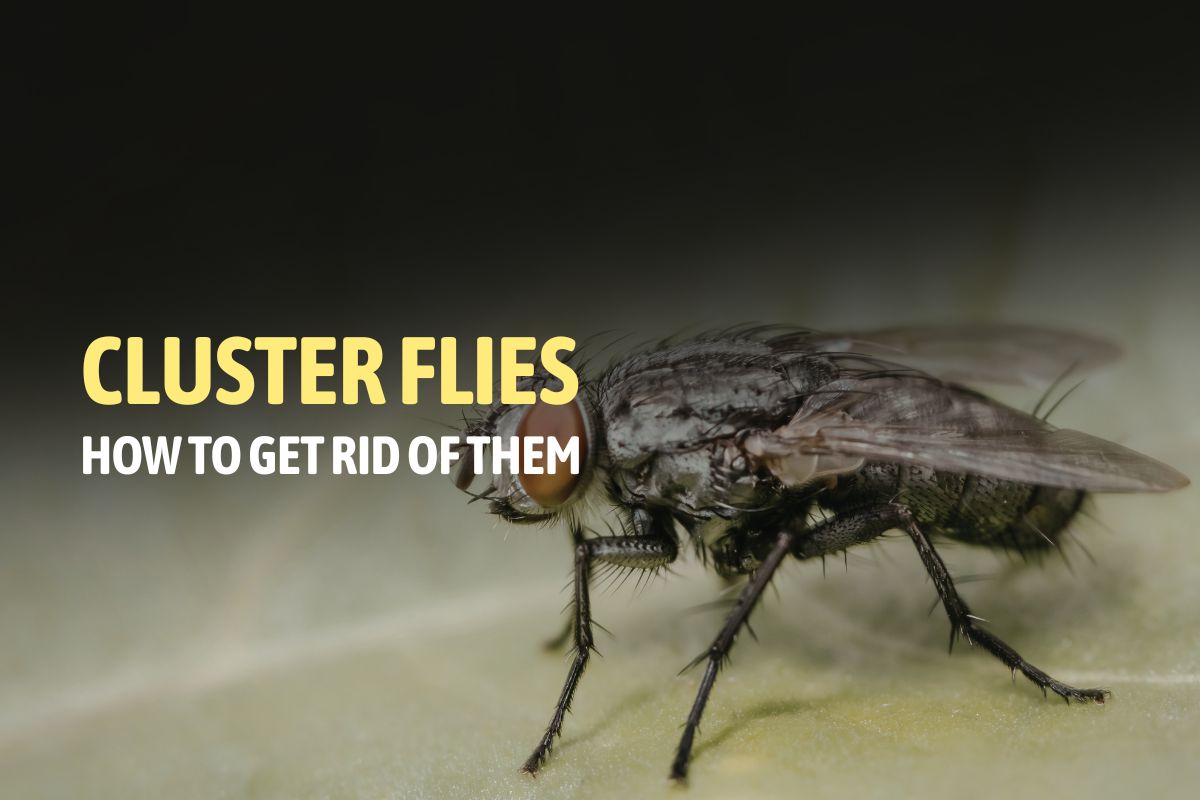
What are cluster flies? (Pollenia rudis) are often mistaken for large house flies, but they have distinct differences. They are slightly larger and darker than common houseflies, with overlapping wings that create a distinct “cluster” when at rest. Their most noticeable characteristic is their sluggish behaviour – they fly more slowly and are easier to catch than their agile cousins.
Unlike house flies that breed in rotting organic matter, cluster flies are parasitic on earthworms. The adults lay eggs in soil, and the larvae burrow into earthworms to feed. This is crucial to understanding where do cluster flies come from – they’re primarily an outdoor insect that seeks shelter in buildings to survive the winter.
Cluster Fly vs House Fly: Key Differences
Correct identification is essential for effective treatment. Here’s a quick cluster fly vs house fly comparison:
- Size & Colour: Cluster flies are larger (8-10mm) with a dark grey-brown colour and golden hairs on their thorax. House flies are smaller (6-7mm) with a more uniform grey colour.
- Behaviour: Cluster flies are slow, sluggish, and tend to cluster in large groups in sunny areas. House flies are fast, agile, and are more commonly found around food waste.
- Breeding: Cluster flies breed in soil using earthworms. House flies breed in decaying organic matter like garbage and manure.
If you’re dealing with multiple flying insect issues, our guide on how to get rid of wasp nest instantly can help you tackle another common seasonal pest.
Why Do I Have Cluster Flies in My House All of a Sudden?
The sudden appearance of cluster flies in house all of a sudden is a seasonal phenomenon. As temperatures drop in autumn, these flies seek warm, sheltered places to overwinter. They’re particularly attracted to south-facing and west-facing buildings that receive afternoon sun. They enter through tiny gaps around windows, roof eaves, soffits, and utility openings.
A cluster fly infestation typically doesn’t indicate poor hygiene, as these pests aren’t attracted to food. Instead, they’re drawn to the warmth and shelter your property provides. They remain largely inactive during winter, becoming active again on warm days when they may emerge into living spaces, creating the impression of a sudden invasion.
Are Cluster Flies Dangerous? Do Cluster Flies Bite?
This is a common concern for homeowners. The good news is that cluster flies do not bite humans or pets. They lack the mouthparts necessary for biting. However, this doesn’t mean they’re completely harmless.
While they don’t transmit diseases like some other flies, a significant cluster fly infestation can cause problems:
- Staining: They produce small, dark spots of excrement on walls and windows.
- Odour: Large numbers of dead or dying flies can create an unpleasant smell.
- Attracting Other Pests: Dead flies can attract other insects like carpet beetles.
- General Nuisance: The sight and sound of dozens of flies in your home is distressing.
For comprehensive protection against various home invaders, understanding signs of rodent infestation can help you safeguard your property against multiple threats.
How to Get Rid of Cluster Flies: Effective Treatment Strategies
Successfully learning how to get rid of cluster flies requires a multi-pronged approach. The goal isn’t just to kill visible flies but to prevent future invasions.
Immediate Action: Dealing with Active Flies
When you need to get rid of cluster flies that are already inside:
- Vacuuming: This is the most effective and safest method for removing live flies from walls and windows. Empty the vacuum bag or canister immediately outdoors to prevent odours.
- Fly Sprays: Use a flying insect aerosol spray designed for indoor use. Spray directly at clusters, but ensure good ventilation and follow label instructions carefully.
- Natural Repellents: Essential oils like citronella, eucalyptus, and peppermint can deter flies. Use in diffusers or mix with water in a spray bottle.
Long-Term Cluster Fly Treatment and Prevention
The real solution to a cluster fly infestation lies in exclusion and targeted treatment:
- Seal Entry Points: This is the most critical step. Conduct a thorough inspection of your home’s exterior in late summer. Seal any cracks around windows, doors, roof joints, soffits, and utility penetrations with caulk or appropriate sealants.
- Install Fly Screens: Fit fine mesh screens over soffit vents, attic vents, and other openings that cannot be completely sealed.
- Professional Insecticide Treatment: A residual insecticide applied by professionals to potential entry points in autumn can create a protective barrier. This treatment kills flies as they attempt to enter.
- Loft and Cavity Treatment: For existing infestations, insecticidal dusts or aerosols can be applied in loft spaces and wall cavities where flies overwinter.
Dealing with pests in structural voids requires expertise. If you suspect issues in your attic, our article on squirrel control for gardens addresses another common loft invader.
The Lifespan of a Cluster Fly and Seasonal Patterns
Understanding the lifespan of a cluster fly helps explain their behaviour. Adult cluster flies live for about 1-2 months during the active summer season. However, those that enter diapause (hibernation) in autumn can survive for 6-12 months in sheltered locations.
There are typically 2-4 generations per year, with populations peaking in late summer/early autumn. This is when the overwintering generation seeks shelter, explaining the timing of most home invasions. Knowing this cycle allows you to time preventive measures perfectly.
What Do Cluster Flies Eat? Debunking Myths
Many homeowners worry that cluster flies are contaminating their food. However, what do cluster flies eat is quite different from house flies. Adult cluster feeds primarily on flower nectar and plant sap. They do not breed in or are attracted to garbage, rotting food, or animal waste.
This is why good sanitation alone won’t prevent a cluster fly infestation. Their presence is about seeking shelter, not finding food sources within your home.
When to Call Professional Pest Control
While DIY methods can manage small problems, a significant cluster fly infestation often requires professional intervention. Consider calling experts like Cardiff Pest Control when:
- You have large numbers of flies appearing consistently
- Flies are emerging from wall cavities or loft spaces where you cannot reach
- DIY methods have failed to control the problem
- You want to implement a preventive barrier treatment for future seasons
Professionals have access to more powerful insecticides and the expertise to apply them safely and effectively. For persistent pest issues, exploring our professional pest control service ensures complete elimination and peace of mind.
Final Thoughts
Dealing with cluster flies can be frustrating, but understanding their behaviour is the first step to effective control. By combining immediate removal methods with long-term exclusion strategies, you can protect your home from these seasonal invaders. Remember, prevention is always better than cure. If you’re facing a significant infestation, don’t hesitate to contact us for professional cluster fly treatment that gets results.
FAQS
Why are cluster flies suddenly in my house in autumn?
Cluster flies enter homes in autumn to seek shelter from dropping temperatures. They’re attracted to warm, sunny-side buildings and hibernate in wall cavities and lofts until spring.
What is the fastest way to kill cluster flies indoors?
Vacuuming is the quickest and cleanest method for removing live flies from indoor surfaces. For flies in the air, a targeted flying insect spray is effective, but ensure proper ventilation.
Do cluster flies lay eggs in the house?
No, this is a crucial distinction. Cluster flies do not breed indoors. They lay eggs in soil outdoors where earthworms are present. They enter buildings solely for shelter, not reproduction.
Are cluster flies attracted to light?
Yes, like many insects, cluster flies are attracted to light. On warm winter days, they may become active and be drawn towards windows, which is when homeowners most often notice them.
Can cluster flies cause structural damage?
No, cluster flies do not cause structural damage to buildings. They do not chew wood, wires, or insulation. The primary issues are nuisance, staining from droppings, and potential odour from dead flies.
How can I prevent cluster flies from returning next year?
The most effective prevention is exclusion. Seal all potential entry points around your home’s exterior before autumn arrives. Professional barrier treatments applied in early autumn can also provide significant protection.