Table of Contents
ToggleAt Cardiff Pest Control, we understand that an ant invasion is more than just a minor nuisance. Whether it is a trail of black ants across your kitchen counter or the structural threat of carpenter ants in your floor joists, these social insects are highly organized and remarkably resilient. In the UK, ant activity typically peaks during the warmer months, but centrally heated homes in Cardiff and the surrounding areas can provide a year-round sanctuary for various species.
In this comprehensive guide, we will explore the technical data behind ant behavior, provide clear identification markers for different types of ants, and explain the most effective professional strategies for how to get rid of ants in the house.
Termites vs Ants: Identifying the Threat
Before we discuss treatment, we must ensure we are targeting the correct pest. We often receive emergency calls from homeowners who fear they have a termite infestation when, in reality, they are seeing flying ants. While both can damage timber or swarm in large numbers, their biological profiles are distinct.
Key Physical Differences
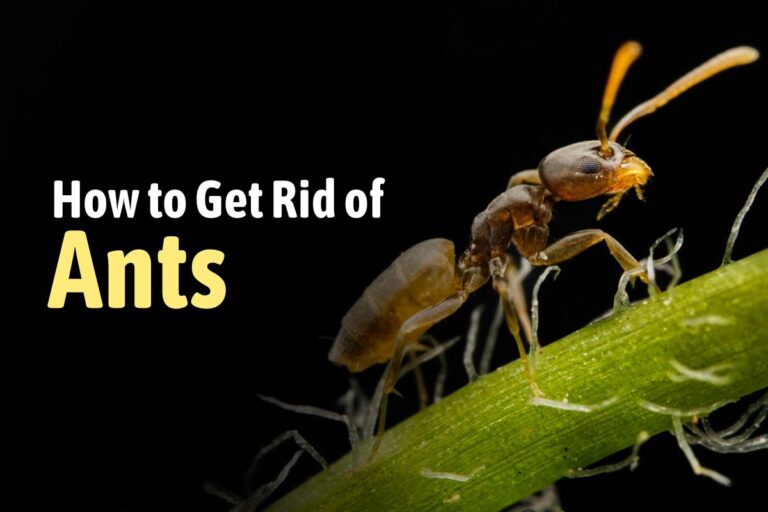
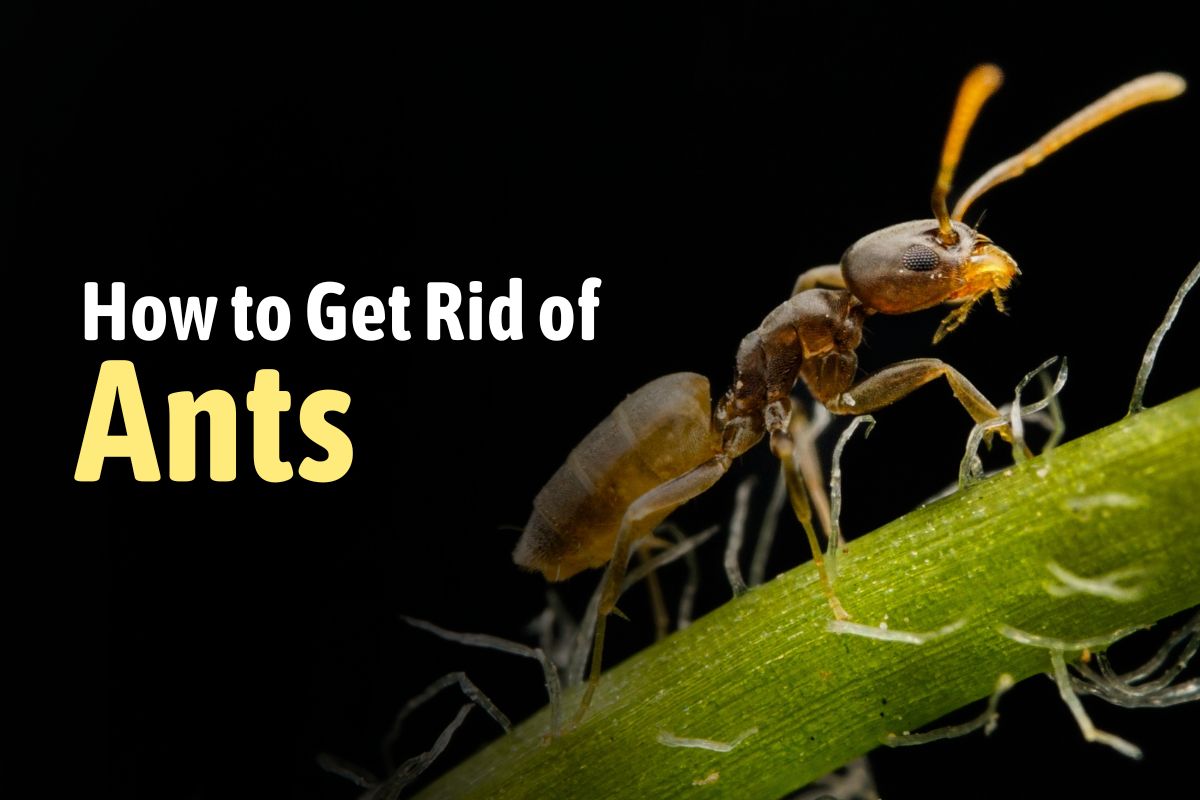
- Body Shape: Ants have a very distinct, “pinched” waist (petiole) between the thorax and abdomen. Termites have a broad, straight waist.
- Antennae: Ant antennae are “elbowed” or bent at a sharp angle. Termite antennae are straight and look like a string of small beads.
- Wings: If you are looking at swarmers, ants have two pairs of wings of unequal length (the front pair is much larger). Termite wings are all the same length and usually twice as long as their body.
If you suspect your timber is being hollowed out, it is vital to determine if the culprit is an ant or something else. For comparison with other wood-boring pests, you can view our guide on how to get rid of termites.
Types of Ants Common in UK Homes
Understanding which species has entered your property is the first step in how to treat ants effectively. Different species have different dietary preferences and nesting habits.
1. Black Garden Ants (Lasius niger)
These are the most common ants we encounter in Wales. They are dark brown to black and roughly 3mm to 5mm long. While they don’t carry diseases, they are attracted to sugary substances—hence the common term sugar ants. They typically nest outdoors in soil or under paving but enter homes through tiny gaps in search of food.
2. Carpenter Ants (Camponotus)
If you are wondering how to get rid of carpenter ants, you are dealing with a more serious issue. These ants do not eat wood, but they “excavate” it to create galleries for their nests. They are much larger than garden ants (up to 12mm) and prefer damp or decaying timber. If left unchecked, they can cause significant structural damage to your home’s framework.
3. Pharaoh Ants (Monomorium pharaonis)
Pharaoh ants are a major concern in hospitals, flats, and commercial kitchens. They are tiny (2mm), yellow or light brown, and almost translucent. What makes them dangerous is their “budding” behavior—if you spray them with a repellent, the colony splits into multiple new colonies, making the infestation much worse. Professional baiting is the only way to manage this species.
4. Red Ants (Myrmica rubra)
Commonly known as European fire ants, red ants are known for their painful sting. They are reddish-brown and typically found in gardens, but they can migrate indoors if the weather becomes too dry or too wet.
What Do Ants Eat? Understanding the Foraging Cycle
To understand what kills ants effectively, we must look at their nutritional needs. An ant colony requires two main things:
- Carbohydrates (Sugars): For energy. This is why they love spilled juice, honey, and ripe fruit.
- Proteins: Required for the queen to produce eggs and for the larvae to grow. They get this from other insects, pet food, and meat scraps.
This dietary shift is why a bait that worked in the spring might fail in the autumn. At Cardiff Pest Control, we use a rotation of protein-based and sugar-based baits to ensure the foragers take the treatment back to the heart of the nest.
How to Get Rid of Ants in the House: A Step-by-Step Plan
If you find a trail, your first instinct might be to reach for a spray. However, we recommend a more methodical approach to ensure the colony is actually eliminated.
Step 1: Sanitation and Source Removal
Ants leave behind an invisible “pheromone trail” that acts as a GPS for the rest of the colony. Even if you kill the ants you see, the trail remains.
- Clean Surfaces: Use a mixture of vinegar and water to wipe down areas where you have seen ants. This breaks the pheromone trail.
- Store Food: Ensure all dry goods are in airtight containers. Even “Smarty Ants” (a term often used for clever foragers) cannot get into a vacuum-sealed jar.
- Pet Food: Do not leave pet food out overnight. This is a massive attractant for pharaoh ants and garden ants alike.
Step 2: Household Ways to Get Rid of Ants
Before calling in the professionals, there are several household ways to get rid of ants that can help manage small numbers:
- Sealing Entry Points: Use silicone caulk to seal gaps around window frames, door sills, and where utility pipes enter the wall.
- Talcum Powder: Ants dislike crossing powdery substances as it interferes with their ability to breathe through their skin (spiracles).
- Boiling Water: If you find the nest entrance outside in your patio, boiling water can collapse the upper chambers. However, this rarely reaches the queen.
Step 3: Professional Baiting
This is the most effective way to handle a large-scale flea infestation or ant colony. We place non-repellent baits in areas of high activity. The worker ants eat the bait and, through a process called “trophallaxis,” they share the food with the larvae and the queen. This is the only way to kill the nest from the inside out.
How to Get Rid of Carpenter Ants Specifically
Dealing with carpenter ants requires a different strategy. Since they live inside the wood, we must find the “parent” colony, which is often located outdoors in a tree stump or woodpile.
- Moisture Control: Carpenter ants are attracted to wet wood. Fixing leaks in your roof or plumbing is essential.
- Structural Checks: If you are clearing out an old attic or basement to inspect for damage, our loft clearance before pest control service can help remove debris and provide a clear view of the timber.
Technical Data: How Long Do Ants Live?
The lifespan of an ant depends heavily on its role within the colony:
- Workers: Typically live for a few months to a year.
- Males: Live for only a few weeks, dying shortly after mating.
- The Queen: This is the most impressive statistic. A queen ant can live for 15 to 30 years depending on the species.
This is why “killing the ants you see” never works. If the queen survives, she will simply produce thousands of more workers to replace the ones you sprayed. Our goal is always to eliminate the queen to ensure the colony cannot regenerate.
Why DIY Methods Often Fail
The most common mistake we see is the use of “contact killers” (standard supermarket sprays). When you spray a trail of ants, you only kill the 5% of the colony that is currently foraging. The remaining 95% stays safe in the nest. Furthermore, for species like the pharaoh ant, these sprays trigger a “stress response” that causes the colony to scatter and create multiple new nests throughout your home.
Professional ant control involves:
- Species Identification: Knowing exactly what we are fighting.
- Strategic Baiting: Using slow-acting toxins that allow the ants to return to the nest.
- Residual Barriers: Applying a professional-grade barrier to the perimeter of the home to prevent new colonies from moving in.
For those dealing with other common household pests, we recommend viewing our guide on common household insects and how to get rid of them for additional prevention tips.
FAQs
Why do I have ants in my bathroom?
Ants are often attracted to the moisture in bathrooms. Pharaoh ants, in particular, like the humidity. They may also be feeding on the organic matter in your drains. If you see tiny flies as well, you might also be interested in our guide on how to get rid of drain flies.
Is it true that ants don’t like cinnamon?
Cinnamon can act as a mild repellent because of its strong smell, but it will not kill the ants or stop a determined colony from finding a way around it.
What is the fastest way to get rid of ants?
The fastest way to see a reduction in numbers is vacuuming and cleaning with vinegar, but the only way to ensure they don’t return is professional baiting which targets the queen.
Can ants damage my electrical wiring?
Some species, like the invasive “crazy ant” (not yet common in the UK but spreading), are attracted to electrical currents and can cause short circuits. Common UK garden ants rarely damage wiring.
How do I know if I have a carpenter ant nest in my wall?
Look for “frass.” This looks like sawdust and is composed of wood shavings and insect parts that the ants kick out of their tunnels. You may also hear a faint rustling sound inside the wall at night.