Termites cause serious structural damage to homes across the UK, including right here in Cardiff. These silent pests eat wood from the inside out, often going unnoticed until repairs cost thousands. We at Cardiff Pest Control deal with termite issues regularly. Subterranean types are common in our damp Welsh climate, tunneling from soil into foundations and timbers.
If you’re seeing signs like discarded wings or hollow wood, act fast. This guide covers everything: what termites look like, whether termites fly, whether termites bite, how to kill termites, how to treat termites, what kills termites, and how to get rid of flying termites. We’ll share practical steps and when to call professionals like us for lasting results.
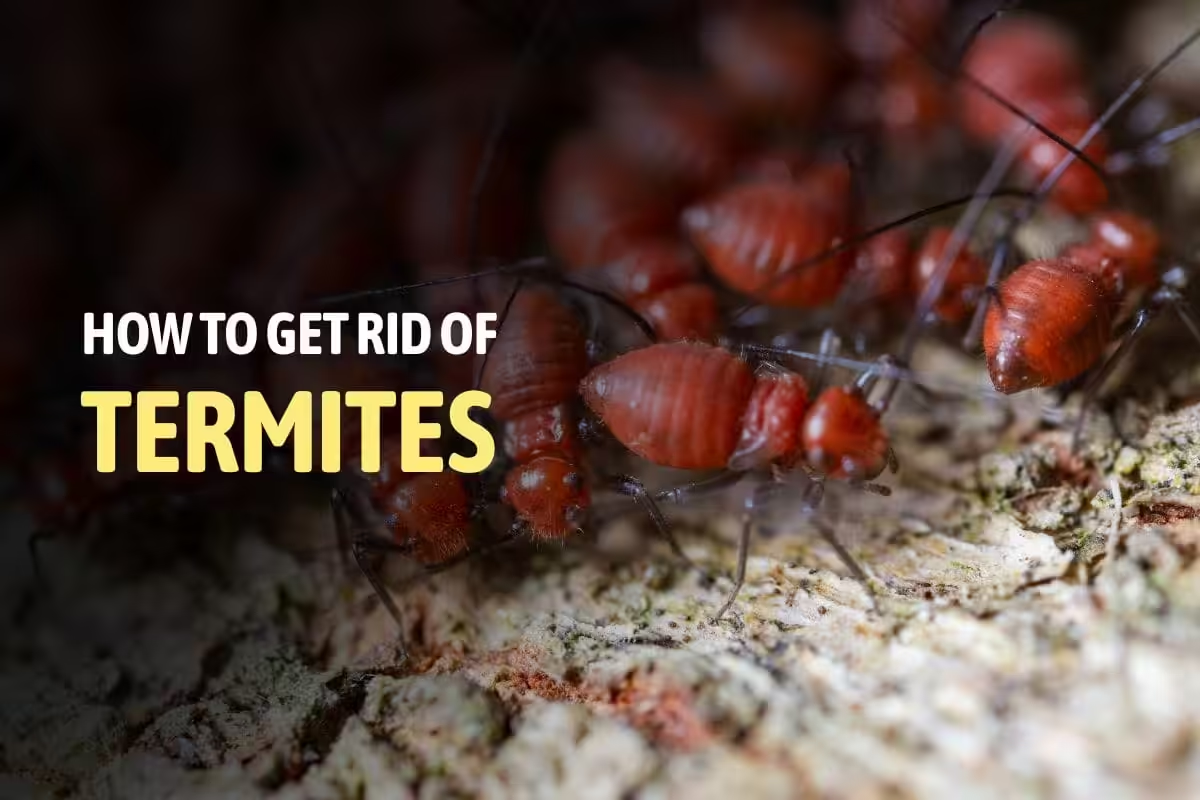
What Do Termites Look Like?
Termites vary by type and role in the colony.
- Workers: Pale, creamy-white, soft-bodied, no eyes, about 1/4 inch long. These do the damage by constantly eating wood.
- Soldiers: Similar to workers but with larger, brownish heads and strong jaws for defense.
- Reproductives (swarmers or alates): Dark brown to black bodies, about 1/2 inch including wings. Four equal-sized wings (longer than the body), straight antennae. Often mistaken for ants, but termites have no narrow waist and uniform wings.
In UK homes, subterranean termites (main culprits) have these pale workers hidden in soil or wood, while swarmers appear during flights. Spotting pale, ant-like insects in wood or dark-winged ones indoors signals trouble.
Do Termites Fly?
Yes, but only certain ones. Reproductives, called swarmers or flying termites, develop wings to leave the colony, mate, and start new ones. They fly short distances, often after rain in spring or warm weather.
Most termites (workers and soldiers) never fly; they stay in tunnels or wood. Seeing flying termites or piles of shed wings near windows, doors, or lights means a mature colony nearby is swarming. This is a key sign of flying termites, and it’s important to get rid of them quickly before new colonies form.
Do Termites Bite?
Termites rarely bite humans. Soldiers can pinch if handled directly (their jaws defend the colony), but it’s uncommon and causes only minor irritation, no venom or serious harm. They focus on wood cellulose, not people. The real risk is property damage, not bites or disease.
Signs of Termite Infestation in Your Cardiff Home
Early detection saves money. Watch for:
- Mud tubes (pencil-thick soil tunnels) on foundations, walls, or crawl spaces, subterranean termites use these to stay moist.
- Hollow-sounding wood when tapped (door frames, floors, beams).
- Bubbling, cracking, or peeling paint that looks like water damage.
- Buckling floors, sagging ceilings, or loose tiles.
- Discarded wings near light sources.
- Frass (termite droppings), small, pellet-like sawdust piles.
- Swarms of flying termites indoors or around the property.
In Cardiff’s wet conditions, moisture draws subterranean termites from the soil into homes. Check basements, lofts, and wooden structures regularly.
How to Get Rid of Termites: Step-by-Step Methods
Termites need professional-level treatment for full elimination; DIY often fails on hidden colonies.
1. Immediate Actions for Flying Termites
- Vacuum or sweep up swarmers and wings, don’t crush, as it spreads.
- Reduce lights at night to avoid attracting more.
- Seal entry points temporarily, but address the source colony.
2. Natural and DIY Approaches (Limited Effectiveness)
Some options deter or kill small, accessible groups:
- Boric acid or borax mixtures disrupt digestion apply to cracks or infested wood.
- Nematodes (beneficial worms) target soil-dwelling termites, applied as a soil drench outdoors.
- Orange oil or neem oil injected into galleries dissolves termite exoskeletons in drywood types (less common here).
- Cardboard traps: Wet cardboard attracts termites; remove and destroy.
These work best preventively or for minor issues. Full infestations require more.
3. Professional Termite Treatment Methods
We recommend expert intervention for reliable results. Common effective ways to treat termites include:
- Liquid Termiticides (Soil Barrier): Dig trenches around foundations, apply non-repellent chemicals (like fipronil or imidacloprid). Termites contact and carry it back, killing the colony. Last years.
- Baiting Systems: Place stations with slow-acting poison around the property. Foraging termites eat and share, wiping out the colony over months. Low-impact, good for monitoring.
- Wood Treatments: Direct application to infested timbers for spot control.
- Heat or Fumigation: Rare in UK homes but used for severe cases.
In Cardiff, we use approved, safe products tailored to local conditions. Early treatment prevents major structural repairs.
For related pest issues, see our rodent control or other insect control services.
What Kills Termites Effectively?
- Non-repellent termiticides: Termites don’t detect them, walk through, and die.
- Bait toxins: Slow-acting stomach poisons spread colony-wide.
- Physical barriers: Steel mesh or treated wood in new builds.
- Biological: Nematodes for soil.
Avoid over-relying on sprays alone, termites hide deep.
Prevention Tips to Keep Termites Away
- Fix leaks and reduce moisture; termites need water.
- Keep firewood, mulch, and debris away from foundations.
- Seal cracks in foundations and walls.
- Use treated wood for extensions or repairs.
- Schedule annual inspections, especially in older Cardiff properties.
- Maintain ventilation in lofts and crawl spaces.
Regular checks catch problems early.
When to Call Professionals for Termite Treatment
If you spot swarmers, mud tubes, or damage, don’t delay. DIY rarely eradicates established colonies; they’re vast and hidden. We provide thorough inspections, identify species, and apply targeted treatments with guarantees. Contact Cardiff Pest Control for fast, effective help.
Termites don’t wait. Protect your Cardiff home today. Reach out to us at Cardiff Pest Control for an inspection. We’re here to help.
FAQs
What does a termite look like compared to an ant?
Termites have straight antennae, no narrow waist, and equal wings (if winged). Ants have bent antennae, pinched waists, and uneven wings.
How do I get rid of flying termites quickly?
Vacuum them up, turn off lights to stop attraction, seal entries, and treat the source colony professionally. Swarmers indicate nearby infestation.
Do termites bite or pose health risks?
Rarely bite (only if handled), no venom or disease spread. Main danger is structural damage to your home
What’s the best way to kill termites in the UK?
Professional soil barriers or bait systems with non-repellent termiticides are effective and long-lasting for subterranean types common here.
Can I treat termites naturally at home?
Options like boric acid, nematodes, or orange oil help deter, but full infestations need pros for complete elimination