Fungus gnats showing up around your houseplants? Those tiny black flies hovering over the pots, especially after watering, can drive anyone mad. We see this a lot here in Cardiff, homes with nice indoor plants suddenly dealing with clouds of these pests. Fungus gnats in the house aren’t dangerous to people, but they multiply fast in moist soil and can weaken plants over time by munching on roots and spreading issues.
At Cardiff Pest Control, we handle all sorts of household pests, and while fungus gnats don’t always need full extermination like bed bugs or rodents, persistent problems call for solid fungus gnat control. In this guide, we’ll walk you through exactly how to get rid of fungus gnats step by step, using proven methods that target every stage of their life. We’ll cover identification, why they appear, and practical treatments, including mosquito bits for fungus gnats, fungus gnat traps, nematodes for fungus gnats, and more, so you can clear them out for good.
What Are Fungus Gnats and Why Are They in Your House?
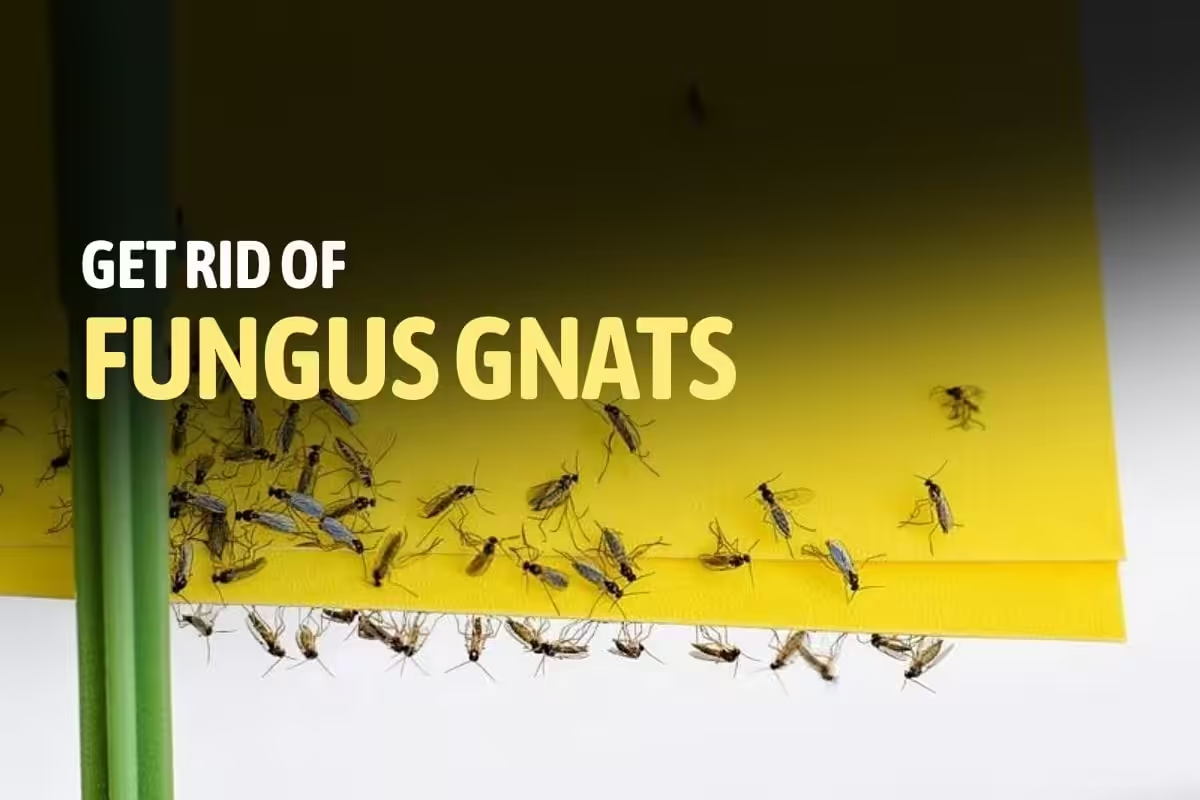
Fungus gnats are small flying insects, usually 1/8 inch long, dark gray to black with long legs and antennae. Adults look delicate, almost mosquito-like, but they’re harmless flyers. The real trouble comes from their larvae living in the soil.
These pests thrive in damp, organic-rich potting mix, perfect for houseplants kept indoors during our Welsh winters. Overwatering is the number one cause. Fungus gnats in soil feed on fungi, decaying matter, and sometimes tender roots, which stresses plants and opens doors to other problems.
Indoors, populations explode because conditions stay consistent: warm rooms, moist compost. One female lays 100-300 eggs, and the whole cycle from egg to adult takes just 2-4 weeks, depending on temperature. That means overlapping generations: eggs, larvae, pupae, and adults all present at once.
Do Fungus Gnats Bite? And How Do They Differ from Fruit Flies?
Quick answer: No, fungus gnats do not bite humans. They lack the mouthparts for it. You might see them buzzing around your face; they’re attracted to moisture and CO2, but they won’t bite or sting. The annoyance is real, though, especially in large numbers.
People often mix them up with fruit flies. Fungus gnats vs fruit flies is a common question. Fruit flies are tan or reddish, with big red eyes, and hang around ripe fruit, bins, or drains. Fungus gnats are darker, slimmer, longer-legged, and stick close to plants and soil. Fruit flies breed in fermenting food; fungus gnats breed in fungus gnats in soil. Spotting the difference helps target the right fix.
Understanding the Fungus Gnat Life Cycle to Break It
To win at how to kill fungus gnats, hit every stage:
- Fungus gnat eggs: Tiny, white, laid in clusters on moist soil surface or just below. Hatch in 3-7 days.
- Larvae: White, worm-like with black heads. Feed 10-14 days on fungi/organic matter (and roots if bad).
- Pupae: Resting stage in soil, 3-7 days.
- Adults: Emerge, live 7-10 days, mate, and females lay more eggs.
Break the cycle by killing larvae (main damage stage) and trapping adults (to stop egg-laying).
Effective Ways: How to Get Rid of Fungus Gnats Step by Step
Start with cultural fixes; most infestations ease with these alone.
Cut back on watering: Let the top 1-2 inches of soil dry out completely between waterings. Fungus gnats need constant moisture. Dry soil kills larvae fast without harming most plants. Check the soil with your finger or a moisture meter.
Improve Drainage and Repot if Needed: Use well-draining potting mix. Add perlite or sand to the top layer (1/2 inch) to block egg-laying. If infestation is heavy, repot into fresh, sterile compost. Rinse roots gently.
Fungus Gnat Traps: Yellow Sticky Traps: Place yellow sticky traps right at the soil level. Adults are drawn to the bright color and get stuck. Cheap, non-toxic, and great for monitoring. Replace when covered. This is a top fungus gnat trap method; we recommend several per plant.
Mosquito Bits for Fungus Gnats: Mosquito bits (containing Bti bacteria) target larvae safely. Sprinkle bits on soil or soak in water (follow package rates, often 1-2 tbsp per gallon), then water plants with the solution. Bti kills larvae when ingested; there is no harm to plants, pets, or people. Apply weekly for 3-4 weeks to cover generations. Many Cardiff customers swear by mosquito bits for fungus gnats as a go-to home treatment.
Nematodes for Fungus Gnats: Beneficial nematodes (Steinernema feltiae) are microscopic worms that hunt larvae in soil. Mix with water, apply as a drench. They enter larvae, release bacteria, and kill them. Safe, biological, and effective for stubborn cases. Available online or in garden shops, apply in cooler evenings.
Other Natural Options
- Hydrogen peroxide mix (1 part 3% peroxide to 4 parts water) as a soil drench kills larvae on contact, and adds oxygen.
- Cinnamon or chamomile tea sprinkled on soil deters egg-laying and fights fungi.
- Apple cider vinegar traps for adults (dish with vinegar + a drop of dish soap).
- Combine methods: Dry soil + sticky traps + mosquito bits or nematodes usually clears things in 3-6 weeks.
When to Call Professionals for Fungus Gnats Treatment
Most fungus gnats in house respond to DIY steps. But if plants are suffering widespread damage, larvae are chewing roots heavily, or numbers stay high after weeks of effort, bring in experts. We at Cardiff Pest Control offer thorough inspections and targeted treatments for flying insects and soil pests under our other insect control services. We use safe, effective methods to stop the problem fast, especially in larger homes or commercial setups with lots of plants.
Check out our other insect control services for similar issues, or see how we handle ant control and other common pests that show up indoors.
Prevention Tips to Keep Fungus Gnats Away for Good
- Water from the bottom or use saucers to avoid soggy tops.
- Use yellow sticky traps year-round as early warning.
- Quarantine new plants for 2-4 weeks.
- Keep humidity moderate; use fans for air movement.
- Clean up dead leaves promptly.
- Choose fungus-resistant potting mixes.
Follow these, and fungus gnats rarely return.
FAQs
How long does it take to get rid of fungus gnats completely?
Usually 3-6 weeks with consistent treatment. Target larvae and adults to break the cycle, mosquito bits for fungus gnats plus traps speed it up.
Can fungus gnats damage my houseplants seriously?
Yes, larvae feed on roots, causing yellowing, wilting, or stunted growth. Healthy plants tolerate some, but heavy infestations weaken them.
Are fungus gnats the same as fruit flies?
No, fungus gnats vs fruit flies differ in looks and breeding spots. Fungus gnats stay near soil/plants; fruit flies go for rotting produce.
Do fungus gnats bite people or spread disease?
No, fungus gnats do not bite, and they pose no health risk to humans beyond being irritating.
What’s the best fungus gnat trap for indoors?
Yellow sticky traps placed at soil level. They catch adults fast and help track progress.
When should I use nematodes for fungus gnats instead of mosquito bits?
Both work great, nematodes suit organic preferences or severe soil infestations. Use them if bits aren’t enough; they’re predatory and long-lasting.
If fungus gnats are taking over your Cardiff home, don’t wait for plants to suffer. Give us a call for a free inspection, we’ll sort it quickly and safely. Contact Cardiff Pest Control today.