Finding a pile of fine dust under a wooden table or noticing tiny holes in your floorboards can be a real shock. For many homeowners in Cardiff, these are the first signs that a silent intruder is eating away at the structure of their property. We know how stressful this is. Your home is likely your biggest investment, and the idea of pests damaging its very bones is something we take very seriously.
At Cardiff Pest Control, we deal with timber pests every week. Whether you live in a classic Victorian terrace in Roath or a modern home in the Bay, wood-boring insects don’t discriminate. If you are searching for how to get rid of woodworm, you need a plan that actually works. In this guide, we will share our professional expertise to help you identify the problem and find the right woodworm treatment to save your property.
What is Woodworm?
Despite the name, a “woodworm” isn’t actually a worm. So, what is woodworm exactly? It is a collective term used for the larval stage of several species of wood-boring beetles. The most common culprit in the UK is the Common Furniture Beetle (Anobium punctatum).
The lifecycle starts when an adult beetle lays its eggs on the surface or inside cracks of wooden objects. Once the eggs hatch, the larvae burrow into the wood. This is where the damage happens. They spend years—sometimes up to five years—eating through the timber, creating a network of tunnels. Eventually, they pupate and emerge as adult beetles to start the cycle all over again.
We often see infestations that have been active for years before the owner notices a single hole. Because the damage happens on the inside, you might not realize your joists or furniture are being weakened until the infestation is quite advanced.
What Does Woodworm Look Like?
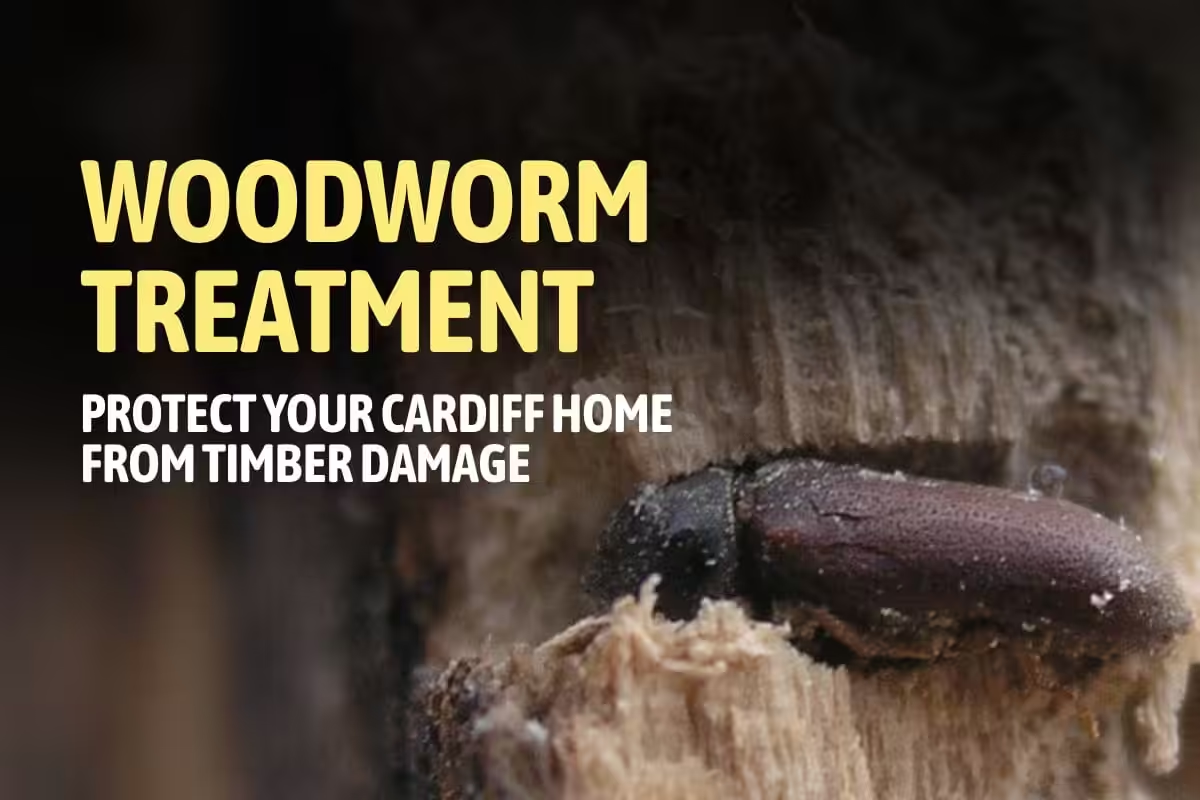
If you suspect an issue, the first thing you want to know is what does woodworm look like. Since the larvae stay hidden inside the wood, you are more likely to see the evidence they leave behind rather than the insects themselves.
- Exit Holes: These are the most obvious sign. They look like tiny round holes, about 1mm to 2mm in diameter, similar to the holes made by a dart.
- Frass (Bore Dust): This is a fine, powdery dust that looks like sawdust. It is actually the waste produced by the larvae as they eat. If you see fresh, light-colored piles of dust under holes, the infestation is active.
- The Larvae: If you were to split the wood open (which we don’t recommend doing yourself), you would see small, creamy-white, C-shaped grubs.
- Adult Beetles: You might see the adult beetles emerging between May and September. They are small, brown, and often head straight for the nearest window, as they are attracted to light.
To see how these compare to other house guests, you can read our post on 6 common insects in UK homes.
Woodworm Benefits vs. Woodworm Herb Benefits: Clearing the Confusion
When people search for information, they sometimes find results for “woodworm benefits” or “woodworm herb benefits.” We want to clear this up immediately because it involves a common spelling confusion.
There is a plant called Wormwood (Artemisia absinthium). This herb has been used for centuries in traditional medicine and is a famous ingredient in the drink Absinthe. Some people believe it has digestive benefits or can help with parasites.
However, the pest we are talking about—woodworm—has absolutely no benefits for your home. There are no “woodworm benefits” when it comes to the structural integrity of your property. If you have “woodworm,” you have a pest problem that needs a solution. If you are looking for an herb, make sure you are searching for “Wormwood” with two ‘o’s. In the pest control industry, “woodworm” only means one thing: damage.
Signs of Woodworm in Furniture
While woodworm in the structural timbers of a roof is a massive worry, many people first notice woodworm in furniture. That antique chair you bought at a market or the old wardrobe passed down through the family could be carrying hitchhikers.
If you are checking your pieces, look for these specific signs of woodworm in furniture:
- Weakened joints: If a chair leg feels wobbly or a drawer front starts to crumble, the interior might be hollowed out.
- Exit holes in the back or underside: Beetles often prefer the unpolished, rougher surfaces of furniture to lay their eggs.
- Fresh dust: If you move a piece of furniture and find a circle of dust on the floor, you have an active infestation.
Furniture infestations are particularly tricky because they can spread. If you bring an infested item into a home with floorboards or exposed beams, the beetles can fly from the furniture to your house’s structure.
How to Get Rid of Woodworm
If you find an infestation, you likely want to know how to get rid of woodworm as fast as possible. The approach depends on how deep the problem goes.
Surface Treatments
For small items of furniture or very light infestations, you can find “DIY” woodworm killers in hardware shops. These are usually liquid treatments that you brush or spray onto the wood. They work by soaking into the top layers of the timber and killing any beetles that try to emerge or lay eggs.
Professional Injection
For deeper infestations, we use specialized equipment to inject treatments into the exit holes and tunnels. This ensures the chemical reaches the larvae that are deep inside the wood.
Fogging and Gassing
In cases where a whole room or loft is affected, we might use a fogging technique. This fills the space with a fine mist of insecticide that settles into every crack and crevice, ensuring no adult beetles survive to lay more eggs.
For more information on how we handle specialized insect issues, feel free to look at our other insect control page.
Woodworm Treatment Cost
One of the first questions we get is: “What is the woodworm treatment cost going to be?” We understand that you need to budget, but there isn’t a “one size fits all” price.
Several things change the final price:
- The Scale of the Infestation: Treating a single wooden stool is much cheaper than treating every joist in a four-bedroom loft.
- Accessibility: If we have to pull up carpets and floorboards to reach the affected timber, the labor costs will be higher.
- Type of Treatment: Specialized injections or heat treatments cost more than a standard surface spray.
- Property Size: Larger Cardiff homes naturally require more product and time.
We always suggest getting a professional survey. A cheap DIY fix might look like it’s saving you money, but if it doesn’t kill the larvae deep in the wood, you will end up paying for repairs when the timber eventually fails. We provide clear, honest pricing after we see the extent of the damage.
Why You Should Act Now
Woodworm is a slow-motion disaster. It doesn’t destroy a house in a week, but over years, it can turn solid oak into something that has the strength of cardboard. In Cardiff, the damp climate can often make woodworm problems worse, as many wood-boring beetles prefer timber that has a slightly higher moisture content.
By the time you see the exit holes, the insects have already been working for a long time. Taking the right treatment for woodworm now will save you from much more expensive structural repairs in the future. We take pride in our thoroughness and our ability to protect Cardiff’s heritage and modern homes alike.
If you are worried about your timbers, please contact us today. We can visit your property, identify the species, and give you a solid plan to protect your home.
FAQs
Is woodworm active in the winter?
The larvae are active year-round, eating away inside the wood. However, you are only likely to see the adult beetles and fresh exit holes during the “emergence season,” which is typically from May to September. This is when the infestation is most visible.
Does household insurance cover woodworm?
Most standard home insurance policies in the UK do not cover woodworm damage. They view it as a maintenance issue rather than an “accidental” event. This is why it is so important to catch it early before structural damage occurs.
Can woodworm spread from house to house?
Adult beetles can fly. While they aren’t great long-distance fliers, they can easily fly through an open window from a neighbor’s house or out of an old piece of furniture left in a garage. If you have exposed, untreated timber, it is a potential target.
How can I tell if the woodworm is dead?
If the exit holes look dark and are filled with old dust or wax, the infestation might be old. If the holes are light-colored (showing fresh wood) and have “clean” edges with fresh dust nearby, the infestation is active and needs immediate attention.
Is woodworm treatment safe for my family?
We use modern, water-based treatments that are very effective against insects but have low toxicity for humans and pets once dry. We will give you clear instructions on how long you need to stay out of the treated area (usually just a few hours) to ensure everyone stays safe.
Do I need to treat all the wood in my house?
Not necessarily. We focus on the areas showing activity. However, if the conditions that allowed the infestation to start (like dampness) exist in other parts of the house, we might recommend a preventative treatment for nearby timbers to be safe.