If you have noticed tiny, moving red dots on your window sills or curtains lately, you aren’t alone. These small pests can show up in the thousands, seemingly out of nowhere. At Cardiff Pest, we see this often during the spring and autumn months. While they might look like moving specks of dust, they are actually clover mites.
In this guide, we will walk you through everything you need to know about these pests. We will explain what are clover mites, why they are in your house, and the exact steps we take to get rid of clover mites. Because these bugs are so small, many people get them confused with other insects, so we will also clear up the “red bug” mystery once and for all.
What are clover mites?
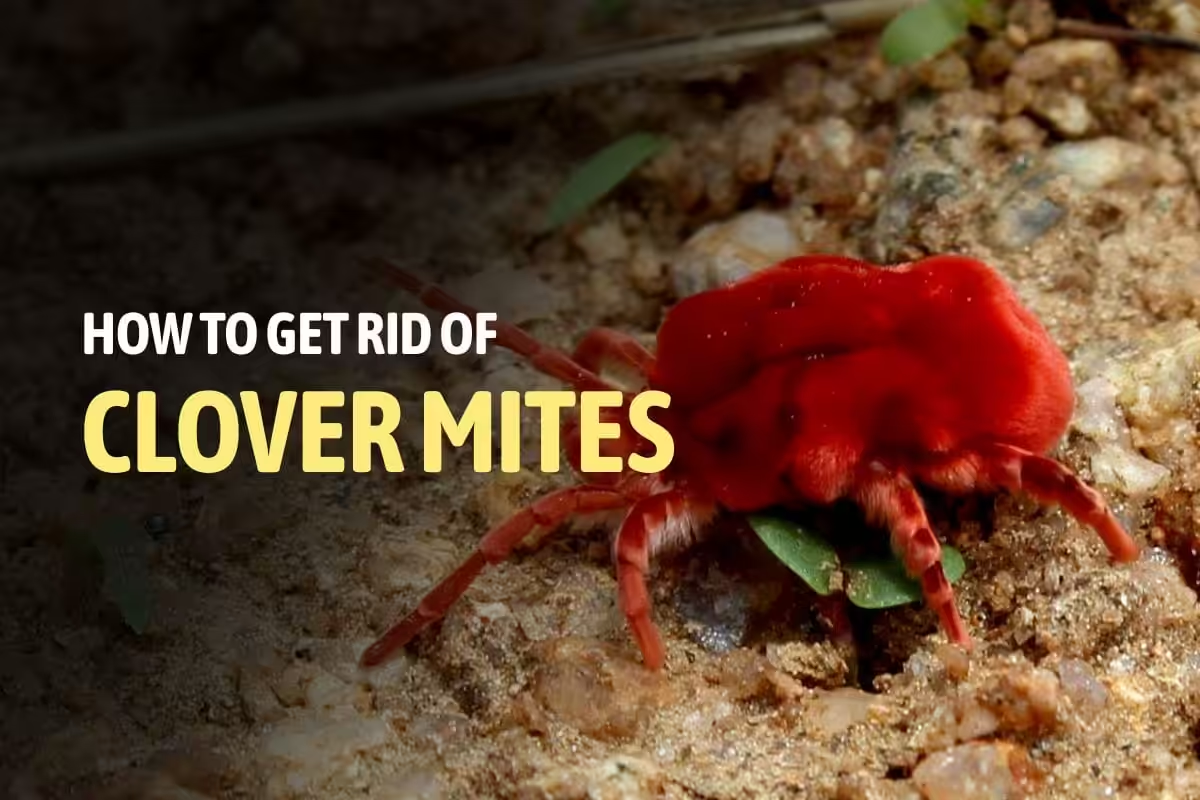
To start, let’s talk about what these things actually are. Clover mites (Bryobia praetiosa) are not actually insects. They are arachnids, which means they are more closely related to spiders and ticks. They are much smaller than a pinhead—usually less than 1mm long.
What makes them stand out is their colour. Most of the time, they are a bright, rusty red. This colour comes from the pigments in the plants they eat, not from blood. If you squash one, it leaves a messy red stain behind, which is often the biggest problem they cause inside a home. We often include them when we discuss 6 common insects in UK homes because of how frequently they appear in local properties during the change of seasons.
Do clover mites bite?
This is the most common question we get: do clover mites bite? When people see a red bug, they immediately think of blood-suckers like bed bugs or ticks.
The good news is that clover mites do not bite humans or pets. They don’t have the mouthparts to bite you, and they don’t want your blood. They feed strictly on plant juices. They aren’t interested in your food, your clothes, or your furniture either.
The concern people have is usually about “red bug bites,” but that is almost always a case of mistaken identity. If you are getting itchy marks, you might be dealing with a different pest entirely. You can read more about how to control common household pests to see if your symptoms match a different insect.
Clover mites vs chiggers: Knowing the difference
Because they are both tiny red arachnids, there is a lot of confusion about clover mites vs chiggers. It is important to know which one you are dealing with because the treatment is different.
Chiggers (also known as harvest mites) are the ones that actually bite. Their larvae attach to your skin and cause intense itching. However, you almost never see chiggers inside your house. They stay in long grass and wait for a host to walk by.
Clover mites, on the other hand, are the ones you find in huge numbers on your windows, walls, and siding. They don’t itch, and they don’t bite. If you see thousands of tiny red bugs on your window sill, they are almost certainly clover mites and not chiggers. If you want to be sure about chiggers vs clover mites, just look at where they are. If they are on your brickwork or window frame, they are clover mites.
Tiny red bugs not clover mites: What else could they be?
Sometimes, you might see tiny red bugs not clover mites in your garden or on your patio. There are a few other candidates:
- Red Velvet Mites: These are much larger than clover mites and look “fuzzy.” They are beneficial predators that eat other pests, so we usually suggest leaving them alone.
- Spider Mites: These are very small and usually yellow or green, but some can be reddish. They leave silk webbing on your plants.
- Concrete Mites: These look almost exactly like clover mites but they live on masonry and move very fast.
If you are unsure, you can always send us a photo, and we can help you identify exactly what is crawling around your property.
What attracts clover mites to your home?
If you want to know how to kill clover mites for good, you have to understand why they like your house. These mites love lush, green lawns. Specifically, they thrive on lawns that have been heavily fertilized with nitrogen.
They feed on over 200 different types of plants, including clover (hence the name), dandelion, strawberry, and many types of grass. They are most active when the weather is mild—between 10°C and 25°C. When it gets too hot in the summer or too cold in the winter, they go into a dormant state.
They are attracted to the sun-warmed sides of houses, especially those facing south or west. They crawl up the brickwork looking for a place to hide or lay eggs, and that is how they end up as clover mites in house guests. They find tiny gaps around window frames or under the siding and move right in.
How to get rid of clover mites: Practical steps
When we talk about how do you get rid of clover mites, we look at it in two ways: what you can do right now and how to stop them from coming back.
Don’t squash them
The number one rule is: do not squash them. If you use your finger or a cloth to crush them against your wallpaper or curtains, they will leave a permanent red stain. This stain is very hard to get out because it is a natural plant pigment that acts like a dye.
Use a vacuum
The best way to remove them from your home is to use a vacuum cleaner. Use a hose attachment and gently suck them up. Once you are finished, take the vacuum bag or canister outside immediately. If you leave them in the vacuum, they can sometimes crawl back out or die and create an odour.
Soapy water
You can also use a mixture of water and a little bit of dish soap in a spray bottle. This is a simple clover mite spray that works on contact. The soap breaks down their outer coating and causes them to dehydrate. It’s a safe way to handle small numbers of them without using heavy chemicals in your living room.
Preventing an invasion
Long-term clover mite control is all about making your home less attractive to them. Here is what we recommend:
- The Grass-Free Zone: Try to keep a 18-to-24-inch strip of bare soil, gravel, or wood chips between your lawn and the foundation of your house. Clover mites find it very difficult to cross these dry barriers.
- Check Your Fertilizer: If you have a massive infestation every year, you might be over-fertilizing your lawn. High nitrogen levels are like a “come here” sign for these mites.
- Seal the Gaps: Look for cracks in your foundation or gaps around your windows. Use caulk to seal these up. This is a big part of how to get rid of clover mites permanently.
Professional clover mite control
Sometimes, the DIY methods aren’t enough. If you are dealing with thousands of mites every day, you need a more aggressive approach.
Our professional clover mite extermination involves treating the exterior of your home. We apply a barrier treatment to the foundation and the perimeter of the house. This creates a “no-go zone” that kills the mites before they ever reach your walls. We also treat the grass near the house to knock down the population at the source.
If you’re tired of seeing those red dots, our other insect control services can help clear the problem quickly and safely. We have the equipment to reach high window sills and the expertise to handle the treatment without damaging your plants or staining your siding.
Summary of the clover mite problem
We know that seeing thousands of bugs on your windows can be alarming. However, it is important to remember:
- They are harmless to your health.
- They don’t bite.
- They are looking for warmth and a place to hide.
- The main damage is the red stain they leave when crushed.
By following the steps above—vacuuming, sealing gaps, and creating a barrier around your house—you can manage most small infestations. But if the problem persists, it is usually because there is a massive population in the lawn that needs professional attention.
FAQs
Are clover mites the same as bed bugs?
Not at all. While both can be found in the home, clover mites are bright red, stay near windows, and do not bite. Bed bugs are brownish-red, hide in mattresses or furniture, and feed on human blood. If you see red bugs on your curtains during the day, they are almost certainly clover mites.
Why do I see more clover mites in the spring?
Clover mites eggs hatch in the spring when temperatures are mild. This is also when lawns are growing the fastest and have the most nutrients. The mites become very active during this time as they look for food and places to lay more eggs for the next season.
Will clover mites go away on their own?
Yes, eventually. They don’t survive long inside a house because it is too dry for them, and they can’t find food. However, as one group dies, new ones will continue to crawl in from outside until the weather gets too hot or you seal up the entry points.
Can clover mites damage my indoor plants?
While they eat plants outside, they rarely bother indoor potted plants. The environment inside a home is usually too dry for them to feed effectively, and they tend to focus more on finding a way back outside or a place to hide rather than eating.
What is the best clover mite spray?
For homeowners, a simple mix of water and dish soap is very effective for bugs you see inside. For the outside of the house, you need a professional-grade residual spray that can withstand the weather and keep killing the mites for several weeks.
Do clover mites lay eggs in the house?
They might lay eggs in the cracks and crevices of your walls or window frames, but the eggs won’t hatch until the conditions are right. They prefer to lay eggs in dry, protected areas where the young can easily find grass once they hatch. This is why sealing your windows is such an important step.