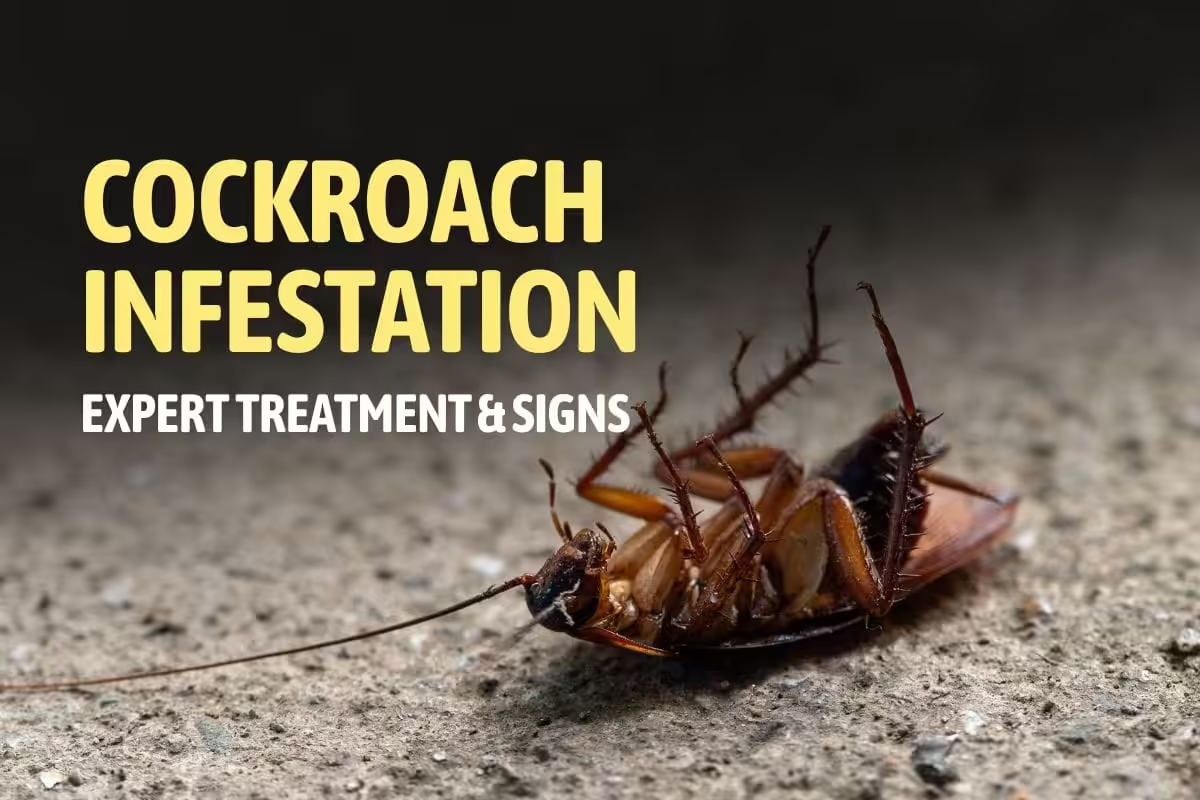
When you run into a cockroach infestation at your home or business, it’s immediately worrying. These pests are known for being resilient, fast-moving, and extremely good at hiding. Seeing even one cockroach is often a signal that many more are out of sight, living and breeding within your property structure.
We know how disturbing this can be. As your local pest control specialists in Cardiff, our main priority is making sure your living and working spaces are safe, hygienic, and pest-free. We understand the specific species that thrive in the UK climate, especially around the busy areas of South Wales, and we use that knowledge to put an end to the problem efficiently.
In this guide, we are going to walk you through everything you need to know about these unwelcome guests—from recognizing the initial signs of cockroach infestation to understanding our effective professional methods for complete cockroach infestation treatment.
What Happens When You Have an Infestation of Cockroaches?
An infestation of cockroaches does not happen overnight. It usually begins when one or two individuals find an entry point, perhaps through a drain, a utility line gap, or on food packaging brought into the home. What makes them so difficult to deal with is their breeding rate.
A female German cockroach, which is one of the most common types we see in Cardiff, can produce an average of four to eight egg casings (called oothecae) in her lifetime. Each casing contains 30 to 48 eggs. In ideal conditions, this means a single female can be responsible for an exponential population growth within a few months. This rapid reproduction is why a small problem quickly spirals into a severe cockroach infestation that is difficult for a homeowner to manage alone.
Cockroaches prefer warm, humid areas, which is why kitchens, bathrooms, and utility rooms are often the first places they settle. They are nocturnal, meaning they spend about 75% of their lives hidden in cracks, voids, and behind appliances. If you are seeing them during the day, it’s a sure indicator that their hidden population is so large that the pests are being forced out by overcrowding or competition for food and water.
Recognizing the Early Warning Signals: Signs of Cockroach Infestation
Catching a cockroach infestation early is crucial to minimizing the damage and complexity of treatment. Because they hide so well, you often need to look for indirect evidence rather than the insects themselves. We advise keeping a careful watch for these indicators.
Droppings (Faecal Matter)
Cockroach droppings are often mistaken for mouse droppings or simply dirt, but they have distinct characteristics. Depending on the species and the stage of the insect, they may look like:
- Small, black specs: Resembling ground pepper or coffee grounds, usually from smaller cockroaches or nymphs.
- Dark, cylindrical pellets: Found in areas of heavy activity, such as behind appliances, under sinks, or inside cabinets.
- Smear marks: In humid areas or against vertical surfaces, a cockroach leaves brown, irregular marks where it crawls.
Finding these small, dark trails is one of the most reliable signs of cockroach infestation.
Musty or Oily Odor
A large infestation of cockroaches carries a distinct, unpleasant smell. The odor comes from their droppings, shed skins, and a pheromone they release to communicate and group together. This scent is often described as musty, oily, or “stale.” If you notice a persistent, strange smell in dark or hidden areas of your kitchen or basement that does not go away with routine cleaning, it may be time to investigate further.
Shed Skins and Egg Casings
Cockroaches shed their outer skin (or exoskeleton) several times as they grow from a nymph to an adult. Finding these pale, empty husks around your property is a clear cockroach infestation sign.
We also look for the egg casings, known as oothecae. These look like small, brown capsules, often about 5-10 mm long, and may be found glued to surfaces in quiet, protected areas like pantry corners or under furniture. The presence of these casings confirms that the pests are actively reproducing on your property.
Daytime Sightings and Property Damage
As mentioned, cockroaches are typically active at night. If you switch on a light and see one or more scatter across the floor or wall, you have a solid sign of a cockroach infestation. If you see them running around in the middle of the day, it suggests the population has grown so large that they are forced to search for resources outside their usual nighttime routine.
We also look for damage. Cockroaches will eat almost anything—including book bindings, wallpaper paste, soap, and non-food items if they are hungry enough. Noticing irregular chew marks on packaging, papers, or clothing can also point towards a hidden pest issue.
If you recognize any of these clues, we encourage you to look at how we approach :https://cardiffpest.co.uk/blog/regular-pest-control/ in general and call us for an inspection. We specialize in knowing exactly where to look for these pests.
Health and Property Risks Associated with Cockroach Infestations
A cockroach infestation is not just an embarrassing nuisance; it poses real risks to health and hygiene. Cockroaches routinely walk across sewage, rubbish, and decaying matter before coming into contact with food preparation areas and dishes inside your property.
Disease Transmission and Allergies
Cockroaches are known carriers of various types of bacteria, viruses, and parasites. When they move through your property, they leave behind droppings and vomit, contaminating surfaces and food. We know they are linked to the mechanical transmission of pathogens that cause:
- Salmonella
- E. coli infections
- Typhus
- Dysentery
Beyond disease, their shed skin and droppings create a fine dust that acts as a powerful allergen. Studies have shown that cockroach allergens can trigger asthma attacks, especially in children and individuals with respiratory sensitivities. Dealing with the pest issue directly is essential for protecting the health of everyone who uses the property.
Property Contamination
While they rarely cause structural damage, the contamination they leave behind can be widespread and costly to clean. Food items must be thrown out, and surfaces need intense sanitizing. In areas like commercial kitchens or food storage facilities, an uncontrolled infestation of cockroaches can lead to immediate shutdown and significant financial loss. This is why having us deal with the problem professionally is an important investment in safety.
The Professional Solution: How to Get Rid of Cockroach Infestation for Good
We understand that when you have a cockroach infestation, you want a fast, reliable, and thorough solution. While many people try DIY sprays and traps, these methods typically only eliminate the visible pests and fail to address the nests and thousands of eggs hidden in wall voids and under appliances. This is why we rely on specific, industry-tested protocols for effective cockroach control.
Our approach to how to get rid of cockroach infestation follows three careful stages: Assessment, Targeted Treatment, and Follow-Up.
Stage 1: Detailed Site Assessment
The first step is always a thorough inspection of your property. We don’t just treat the areas where you saw the insects; we use our expertise to trace them back to their source. We look for hidden moisture sources, entry points, and high-traffic routes. This detailed work is essential because different cockroach species require different treatments, and without knowing the exact location of the breeding ground, any treatment will fail.
Stage 2: Targeted Treatment Application
Once we have pinpointed the activity, we move to a professional cockroach infestation treatment. We rely on a combination of low-toxicity, highly effective methods that specifically target the whole population, including those pests that hide.
- Baits and Gels: We use professional-grade gel baits placed strategically in cracks, crevices, and behind electrical outlets. These gels contain a slow-acting substance. When a cockroach eats the bait, it returns to the colony and often dies. Other cockroaches, especially the young, may then feed on the deceased one, transferring the substance throughout the population in a cascade effect. This is usually the most effective method for long-term control.
- Insecticidal Dusts: We use fine dusts in inaccessible areas like wall voids, under cabinetry, and around pipe entry points. These dusts coat the insects as they pass through, providing residual control in areas where sprays or gels cannot reach.
- Targeted Residual Sprays: In certain high-risk areas, we may apply a residual spray to create a barrier and catch those pests moving between harborages.
Our focus is on delivering highly effective pest control treatments that are safe for your family and pets while being absolutely lethal to the pests.
Stage 3: Follow-Up and Monitoring
A single treatment is rarely enough to deal with a persistent cockroach infestation. Eggs are incredibly hardy and often resistant to the first treatment round. We always schedule a follow-up visit (typically two to three weeks later) to monitor the situation, check our bait placements, and treat any newly hatched nymphs before they can reproduce. This second visit is critical to breaking the breeding cycle and ensuring complete removal.
If you are currently facing this stressful issue, we strongly recommend letting us take the lead. You can learn more about the specific steps we take to control this pest on our service page.
Prevention After Treatment: Stopping Future Infestations
Once we have successfully resolved the cockroach infestation, the goal shifts to long-term prevention. Here are the key steps we advise our clients in Cardiff to take to keep their property protected:
- Seal Entry Points: Check your foundation, doors, and windows for gaps. Seal up holes around pipes and utility lines using caulk or steel wool. Cockroaches can squeeze through surprisingly small openings.
- Fix Leaks: Cockroaches require water to survive. Repairing dripping taps, leaky pipes, and ensuring good ventilation in bathrooms and basements removes a major attractant.
- Practice Strict Sanitation: Store all food in sealed containers, wipe down surfaces nightly, and avoid leaving dirty dishes out. Immediately clean up grease and food spills, which are primary food sources for these pests.
- Manage Waste: Ensure internal and external rubbish bins are tightly sealed and emptied regularly.
By partnering with us for the treatment and maintaining these simple, strict practices, you can have confidence that your home or business remains free from future infestation of cockroaches. Don’t wait for a small problem to become a significant crisis; call us today to schedule your assessment.
Conclusion:
We understand that finding a cockroach infestation on your property is stressful and upsetting. These are not pests you can simply wait out or treat with a generic product from the shop. Because they hide so effectively and reproduce so rapidly, a long-term solution requires professional expertise and industry-grade materials.
As your local pest control experts in Cardiff, we are committed to providing discreet, effective, and lasting cockroach infestation treatment. We don’t just clear the immediate problem; we identify the source, treat the population at its core, and put measures in place to prevent future issues. If you have seen the signs of a cockroach infestation or simply want peace of mind, contact us today. We are ready to help you restore the hygiene and comfort of your property.
FAQs
How quickly does a cockroach infestation grow?
The speed depends largely on the species and environmental conditions (food, water, and temperature). The German cockroach, common in urban areas, can move from egg to reproductive adult in as little as 50 days. Considering a female produces multiple egg casings, each containing dozens of eggs, a small cockroach infestation can explode into a major problem in just a few months. This quick reproduction rate is why rapid, professional intervention is essential.
Are cockroaches active year-round in the UK?
Yes, they are. While outdoor pests might slow down or hibernate in the colder months, cockroaches are primarily indoor pests in the UK. They rely on the warmth and shelter provided by our homes and commercial buildings. Central heating, warm appliances, and internal plumbing allow them to maintain their breeding cycles consistently throughout the winter, making cockroach infestation treatment a year-round necessity.
Why didn’t the store-bought sprays work against the infestation?
Generic sprays and traps often fail because they only kill the few insects you see on the surface. They do not penetrate the cracks, wall voids, and hidden harborages where the majority of the population—including the egg casings—resides. Furthermore, pests can quickly develop resistance to over-the-counter chemicals. Our professional methods rely on targeted gel baits and dusts that are designed to be carried back to the colony, effectively treating the entire population at the source and providing a better result than DIY solutions.
After treatment, how soon can I expect to stop seeing cockroaches?
For a severe cockroach infestation, it’s common to see more cockroaches in the first few days immediately following the initial treatment. This is because the treatment irritates the insects, forcing them out of their hiding spots. After about a week, you should notice a significant drop in activity. Our follow-up visit, typically scheduled two to three weeks later, is crucial for eliminating the newly hatched young that survived the first round of treatment, leading to complete control.
What is the primary thing that attracts cockroaches to my property?
Cockroaches are primarily attracted by three things: food, water, and shelter. The most important factor is often food debris, especially grease films on kitchen walls, behind appliances, and under counters. Water leaks, even minor ones like condensation from pipes, also draw them in. By practicing strict sanitation and fixing any moisture issues, you reduce the main attractants that lead to a cockroach infestation.