
If you’re waking up with bites, the first thought that hits you is usually, “Great… bed bugs.” I’ve been in that same spot, trying to figure out if the marks on my skin actually point to something serious or if it’s just mosquitoes bullying me at night. The tricky part? Bed bugs don’t always leave clear clues. Sometimes there are bites but no signs on the bed, and other times you find tiny marks that don’t look like much at first.
Here’s the thing — the early signs of bed bugs can be super subtle. Missing them lets the problem grow, and once it grows, it becomes a headache you won’t want on your plate. That’s exactly why we created this guide in the simplest, most direct way possible. No fluff, no confusing jargon — just the observations that actually help you figure out what’s going on.
Before we dive into the signs, let’s break down why early clues matter and why ignoring them is the fastest way to let this pest take over your room.
Early Signs of Bed Bugs on Skin
When people talk about bed bugs, the first thing they mention is the bites — and yeah, they’re usually the earliest clue. The problem? Bed bug bites look a lot like mosquito bites, so it’s easy to misjudge them.
Here’s what I personally look for:
- Small red bumps that show up in a line or cluster
- Itching that gets worse at night or early morning
- Bites on exposed areas like arms, legs, neck, or shoulders
- New marks every morning, even when you didn’t feel anything
If you have no signs of bed bugs but you’re still getting bites, that’s actually super common. Bed bugs hide insanely well, so the skin reacts before you ever spot the insect.
One more thing — some people don’t react to bites at all. So you might never see the classic redness, but someone else in the same room might.
To double-check whether it really points toward bed bugs, the next step is looking at the bed itself. That’s where the tiny clues usually show up first.
Signs of Bed Bugs on Your Bed
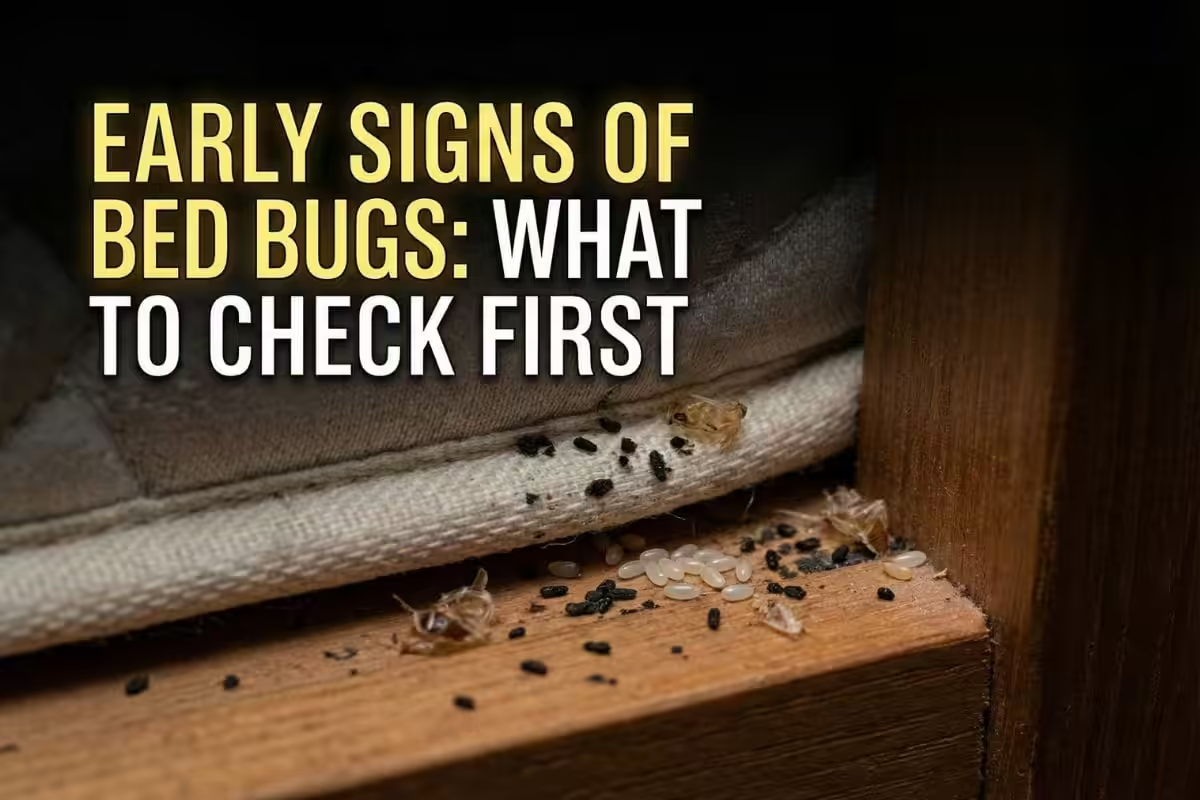
If the bites made you suspicious, the bed is where the real evidence usually shows up. When I check a mattress, I start with the corners and seams because bed bugs love squeezing into tight spots.
These are the clues I look for:
- Tiny dark specks (their droppings)
- Small blood marks on sheets
- Shed skins that look like thin, pale shells
- Live bugs, usually the size of an apple seed
If you’re getting bitten at night but still find nothing, slow down and use a torch. They hide in stitching, under tags, and behind the headboard.
Signs of Bed Bugs on Sheets
Sheets usually tell the story before anything else does. When I suspect bed bugs, I pull the sheets back slowly and look for tiny marks that don’t belong there.
Here’s what I look out for:
- Small blood spots from crushed bugs
- Dark dots that smear when touched
- Light brown flakes (their shed skins)
- Tiny eggs, which look like white grains stuck to the fabric
If you’re waking up with marks but still see nothing, it might be because the bugs hide during the day and move only when the room is quiet. That’s why the sheet check helps confirm whether you’re dealing with something real or just guessing.
Getting Bitten at Night but No Sign of Bed Bugs
This is the part that confuses most people. You wake up with fresh bites, but every time you check the bed, there’s nothing. I’ve been through that cycle myself, and it happens for one simple reason: bed bugs hide better than you think.
They slip into cracks you wouldn’t normally check — behind the headboard, inside the mattress stitching, under the base, even inside tiny gaps in furniture. They come out only when the room is still, which makes spotting them harder.
Another thing to keep in mind: not everyone reacts to bites, so someone else in the home might show more visible marks than you.
If this sounds familiar, the next step is learning what bed bugs actually look like so you know exactly what you’re hunting for.
What Bed Bugs Look Like
Before checking your room properly, it helps to know exactly what you’re looking for. Bed bugs aren’t tiny dust specks — they’re visible, just very good at staying out of sight.
Here’s how I recognise them:
- Size: around an apple seed
- Colour: reddish-brown, darker after feeding
- Shape: flat and oval when hungry, rounder after a meal
- Movement: slow, not jumpy like fleas
You might also spot smaller, pale ones — those are younger nymphs. Their eggs are even tinier, white, and stuck to surfaces.
Once you know their look and size, checking your room becomes way easier. Now let’s go through how I check for them properly so nothing gets missed.
How to Check for Bed Bugs
When I’m checking a room for bed bugs, I follow a simple order so I don’t miss the places they hide. I start with the mattress seams, lifting each corner and checking the stitching slowly. Then I move to the bed frame, especially around screws, joints, and the headboard. After that, I check nearby furniture, like side tables and the back edges of drawers.
A small torch makes a massive difference because these insects squeeze into spots that look completely flat. If you see droppings, shed skins, or even one live bug, treat it like confirmation — they rarely show up alone.
Once you’ve checked all these areas, the next step is figuring out how to clear them out for good.
How to Get Rid of Bed Bugs
Once you confirm even one bed bug, the best move is to act fast. These insects don’t disappear on their own. What I usually do first is strip the bed, bag everything, and wash it on high heat. Then I vacuum the mattress, frame, and the floor around the bed slowly so nothing gets missed.
Heat treatments work better than sprays, but most DIY options only reduce the problem — they rarely clear it fully. If the bugs have spread to furniture or multiple rooms, that’s when calling a pro makes the difference. Cardiff Pest Bed Bug Treatment has a straightforward breakdown of the process here:
Once the room is treated properly, follow-up checks help make sure nothing returns.
When to Call a Professional
Sometimes, no matter how hard I try, I just can’t get rid of bed bugs on my own. If the bites keep coming, or I spot signs on my bed or sheets that I can’t fully handle, that’s my cue to call in a professional. They have the right tools, treatments, and know-how to deal with infestations fast.
Trying to tackle a big infestation alone can make it worse or spread them to other rooms. So instead of stressing, Just reach out to experts at Cardiff Pest Services to get the problem sorted safely and thoroughly.
Prevention Tips
To keep bed bugs from taking over your sleep space, I follow these habits — they’ve been recommended by pest experts and make a real difference.
- Use a full mattress encasement — a zippered, tightly sealed cover that wraps the whole mattress and box spring. It blocks bed bugs from getting in or out, and makes any signs (droppings, bugs) easier to spot.
- Wash bedding regularly at high heat (≥ 60 °C) — including sheets, pillow covers, duvet covers. Heat kills bugs and eggs that might hide in fabric.
- Vacuum and clean bedding area weekly — especially mattress seams, bed frame crevices, baseboards, nearby furniture. This helps remove any stragglers before they spread.
- Declutter and avoid storing stuff under the bed or around sleeping area — clutter gives bed bugs lots of hiding spots; keeping the area tidy reduces their hiding options.
- Inspect any second‑hand furniture (mattress, bed frame, sofa) carefully before bringing it home — used furniture is a common way bed bugs sneak into a home. Better to check or avoid it than risk an infestation.
- Seal cracks and crevices around walls, baseboards, windows, and furniture joints — bed bugs crawl into tiny gaps; sealing them reduces hiding and travel routes.
- When travelling or using shared accommodation, inspect the bed + keep luggage off the bed/floor until checked — this avoids bringing hitchhiking bed bugs home.
Conclusion
Dealing with bed bugs is frustrating, but spotting the early signs makes it way easier to handle. From bites to spotting them on sheets or the bed, staying alert really pays off. If things get out of hand, calling a professionals like Cardiff Pest Services is the smartest move.
After treatment, sticking to prevention habits—checking bedding, cleaning regularly, and inspecting furniture—keeps them from coming back. I’ve found that combining awareness with these simple steps helps me sleep easy without worrying about bed bugs at night.